
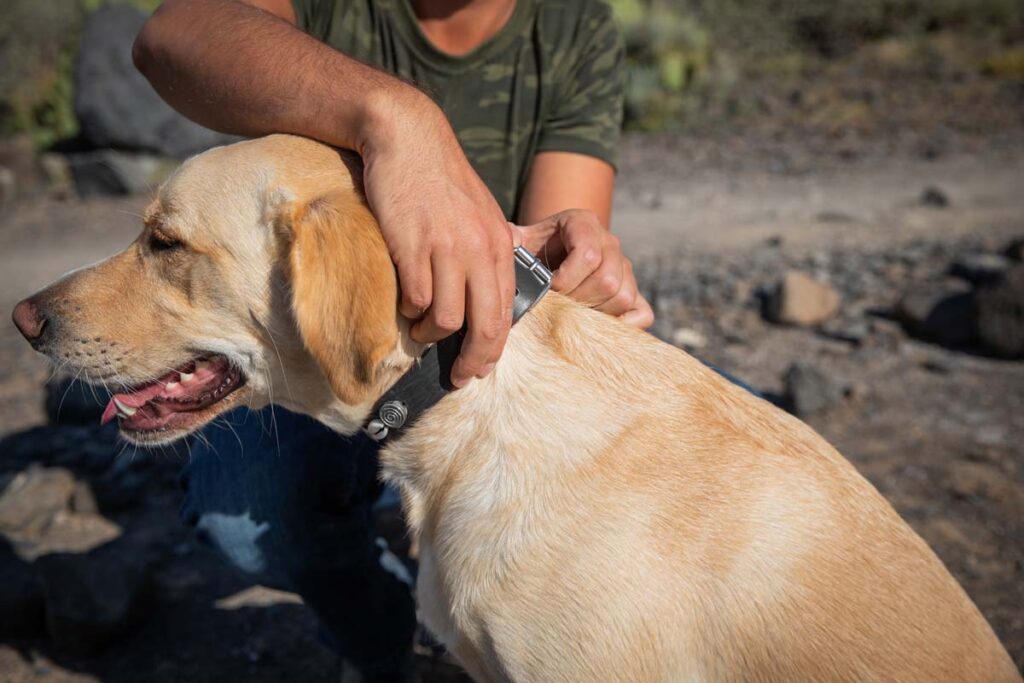
Every dog needs a collar, no questions asked. It is a big deal when you are out for a walk or hitting the park to play with other pups. But honestly? Tons of pet owners totally mess up the fit. They end up shocked when their dog starts acting dramatic about wearing it or just never seems to get comfortable.
It is probably because the collar is just way too tight. Honestly, it is actually pretty tough to nail the fit on the first try. Let us dive into the details of how this works. We will figure out exactly how tight that collar needs to be. Plus, we will look at the signs that it is hanging too loose or choking them out.
How Tight Is Too Tight?
We all just want our pups to be safe and sound. That is exactly why so many pet parents lean toward making a collar tight instead of leaving it loose. But here is the thing: it is way too easy to overdo it and make that collar tight enough to hurt their health or just be plain miserable.
So, how tight is actually too tight? You’ll know things have gone south if your dog starts doing any of this:
- They are hacking or dry coughing all the time.
- They are acting weirdly careful not to tug on the leash, even a tiny bit.
- It looks like they are struggling to catch a breath.
- They seem totally wiped out or just low on energy.
It could mean that collar is just way too tight. If the collar starts cutting off their airflow, your pup is basically losing oxygen to their brain. Over time, you are looking at some seriously nasty long-term health problems and medical issues you definitely want to avoid.
On top of all that, your pup might start thinking the collar or leash is some kind of punishment. Dogs don’t really get that you’re just trying to keep them safe by tightening things up. To them, the collar just feels super uncomfortable and makes them feel pretty miserable.
If your pup starts dodging you the second they see that collar or leash, you know something is up. It might take a minute to get them back on board with wearing it again. But stick with some positive reinforcement—you can totally fix it.
As you start reteaching your pup that the collar isn’t actually the enemy, you really need to know how to nail the fit.
So, What’s the Ideal Collar Tightness?
Two fingers underneath – that’s literally it.
When you’re checking your pup’s collar, you should be able to slide two fingers under it with zero trouble and no cutting off their circulation. Basically, you need to be able to wiggle your fingers back and forth easily.
If those fingers are jammed in there and can’t move, it is way too tight. Same goes for the other extreme—if your fingers are just wiggling around with a ton of extra room, that collar is way too loose.
Once you actually get that collar sitting right, you’ll probably notice a massive shift in how your pup acts. They won’t be acting all scared of the collar or leash anymore. Plus, that annoying dry coughing and hacking? It should pretty much disappear.
Getting that collar fit just right is a total game changer. Here is why it matters:
- Your pup won’t deal with weird health issues or get hurt.
- It keeps them locked in and secure when you’re out on the leash.
- You’ve got a solid handle to grab if things get sketchy in an emergency.
- It is the perfect spot for their ID tags and contact info.
Plus, getting that collar fit just right means your pup can actually eat and drink without it being a whole thing. Nobody wants to try and swallow kibble with a strap choking them out.
If you just brought home a new puppy and have zero clue how to fit their collar, don’t sweat it. Seriously. It might take a few tries to actually get it right. But trust me, it is way worth the effort in the long run.
The last thing you want is for your pup to be stressed out by their collar or just totally hate wearing one for the rest of their life. Seriously.
Why You Can’t Just Leave It Loose
It is a huge deal to make sure your dog’s collar isn’t choking them. But honestly? You also need to make sure it is tight enough so it is not just flopping around. Why does it even matter?
A loose collar is just asking for trouble. It’s not just a fashion faux pas; it actually brings some pretty sketchy risks to the table, like:
- Your pup pulling a Houdini and slipping right out. If this happens mid-walk, you’re in for a nightmare. They could bolt into traffic or go charging after a dog that definitely isn’t looking for a friend.
- Believe it or not, a loose collar can actually choke them. It sounds weird, I know. But if that loose strap snags on a fence or a branch, it can suddenly tighten up and cut off their air. That is a straight-up life-or-death situation you don’t want to mess with.
- Your dog is probably going to hate the feeling of a floppy collar anyway. It’s annoying. Once they realize it’s dangling there, they might try to chew the thing off or just shred it to pieces.
So, you definitely can’t just slide a loose collar over your pup’s head and call it a day. Every single collar they wear has to be fitted the right way. It needs to be secure. No exceptions.
What if Your Pup Just Hates the Collar?
Of course you want your pup to be comfortable. That’s just being a good pet parent. But if they’re clearly hating how a tight collar feels, the move is to swap the collar for a different style. Seriously. Just making it looser is not the move.
Go for a new collar that’s got a soft lining or is made of flexible materials. To get them used to it, try some basic desensitization. Just leave the collar on for a few minutes at first, then slowly build up the time. It works.
What About Using a Harness Instead?
Harnesses are absolute lifesavers for keeping your pup safe when you’re out for a stroll. Instead of just hanging off the neck, they wrap around your dog’s torso and give you way more spots to clip the leash. The best part? All that pulling pressure goes straight to their chest instead of their throat. Honestly, it is a far superior setup.
But look, your dog still needs a collar even if you’re rocking the harness. It’s just the first place anyone is going to look for an ID tag or contact info if your pup gets lost. Plus, let’s be real—a harness just isn’t as secure for long-term wear as a solid collar.
Even if you think they’re buckled in tight, dogs can be total escape artists with harnesses. If they wiggle out and aren’t wearing a collar, tracking them down is going to be a nightmare. Seriously.
Plus, some dogs just need a firmer hand when they see another pup coming. If your dog is wearing a collar, you can quickly clip the leash there for a bit more control. Once the other dog is gone, just swap the leash back to the harness and keep on strolling. Easy.
Luckily, most harnesses and collars play totally fine together. If you’re looking for an easy win, Amivo has this Harness and Walk Kit that lets you grab the leash and the harness in one go. It’s a solid way to make sure your pup’s gear is actually high-quality and not just cheap junk. Totally worth it.
Or, you could just grab a standard collar made from a super-tough flex poly strap. Amivo’s Dog Collar is basically built for whatever the weather throws at you—it’s comfy but still does its job. And the best part? We made sure the thing is dirt-resistant and won’t end up smelling like “wet dog.” Total game changer.
The collar features a standard belt-style buckle, so adjusting the fit is a total breeze. You get plenty of different holes to choose from, meaning you can dial in the perfect tightness for your dog’s neck size without any guesswork. And honestly? The color options are fire.
How To Fit a Dog’s Collar Properly
New pet parents usually struggle with that first collar fit. It’s a learning curve. And honestly, it’s ten times harder if your puppy is a wiggly, cuddly little ball of energy that won’t sit still for two seconds.
Here’s how to nail that first collar fitting without the drama:
- Start by popping the collar open. Before you even think about putting it on, let your pup give it a good sniff. This is huge. It basically tells your dog, “Hey, this weird thing isn’t going to eat you.”
- If they seem a little sketched out, break out the treats. Don’t force it yet.
- Round two: bring the collar back out and hand over another treat. You want them to think collar = snacks. It’s classic positive reinforcement, and it works like a charm to kill that initial fear.
- Now, slide the collar on and click it into place. Play it safe and keep it a little loose at first. You definitely don’t want their first memory of a collar to be “that thing that choked me.”
- Time for the two-finger test. Slide two fingers under the strap. If they feel snug but can still move around, you’ve nailed the fit. Perfect.
- Need to tighten or loosen it? Just do it while it’s still on them. Use some “sit” commands or more treats to keep them chill while you’re messing with the buckle.
- Once the fit is dialed in, go ahead and clip on those ID tags or whatever gear you’ve got. You’re all set.
Something To Get Used To
Let your dog zoom around with the new collar for a bit. Keep a close eye on them. If you hear any hacking or dry coughing, that’s a red flag—it’s probably a bit too tight. If that happens, just loosen it up a notch. You want it comfortable, but don’t go so far that they can slip out.
It’s totally normal if your pup wants to spend a few minutes investigating their new gear. Let them go for it—don’t stop them from sniffing around or bending over to get a closer look. It’s not like the collar is some forbidden object they aren’t allowed to touch.
What if Your Dog Needs a Specific Type of Collar?
Look, no two collars are exactly the same. So, what’s the deal if you’re using something a bit more specialized than your average everyday collar? We’re talking about things like vibrating training collars or those flea and tick repellent ones.
Most of the time, you’ll fit these specialized collars the exact same way you would a normal one. You just need to keep their specific job in mind while you’re doing it. No biggie.
Take vibrating collars, for example. They’re a lifesaver for training pups who just don’t respond to the usual methods. And no, they aren’t shock collars. They just send out a totally harmless little buzz whenever your dog gets way too hyped up. You can also trigger that vibration yourself whenever you need them to snap out of it and pay attention. Simple as that.
With those training collars, you might need to tweak the tightness one way or the other based on what the manual says. And then you’ve got flea-repellent collars. Those have a special coating to keep the bugs off, so you actually want to wear them a bit looser than your standard collar. It helps the repellent actually sink into the fur where it belongs. Makes sense, right?
Generally speaking, that two-finger rule is still your best friend. You might just need to tweak things slightly or account for a few extra details depending on what the collar is actually doing. Every dog is different, after all.
Two Fingers for Perfect Tightness
At the end of the day, just stick to the two-finger rule. It’s your go-to. If you can slide two fingers under that collar and it feels snug but not suffocating, you’re in the clear. Just use that simple rule of thumb to tweak the fit whenever you need to. Easy peasy.
And honestly, the sooner you start practicing with that collar, the better you’ll both get at it. It’s all about muscle memory. Plus, your dog is going to get used to the whole thing way faster if you start early. So, grab your collar, leash, and harness—it’s time to get out there and start making some memories.