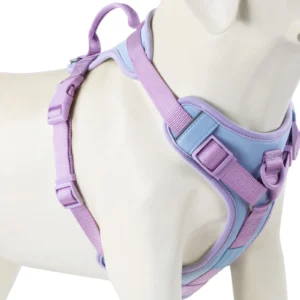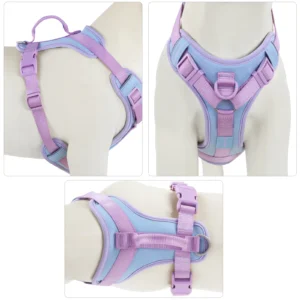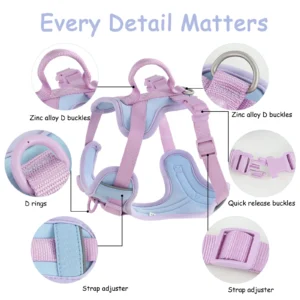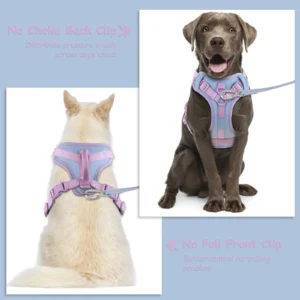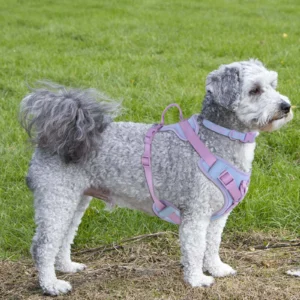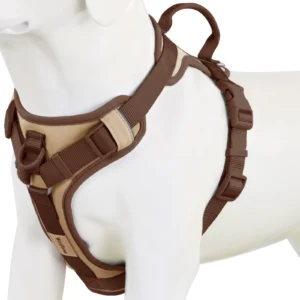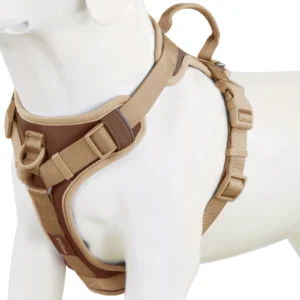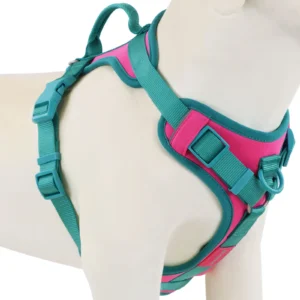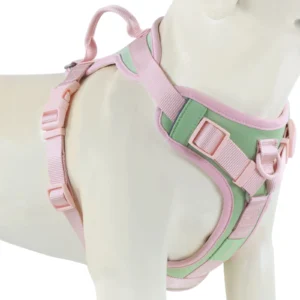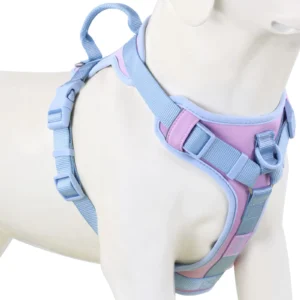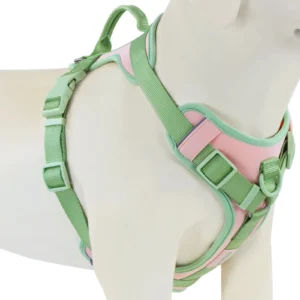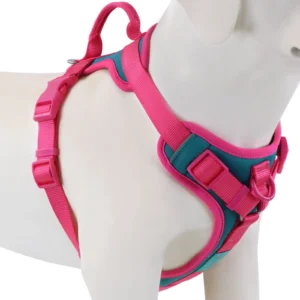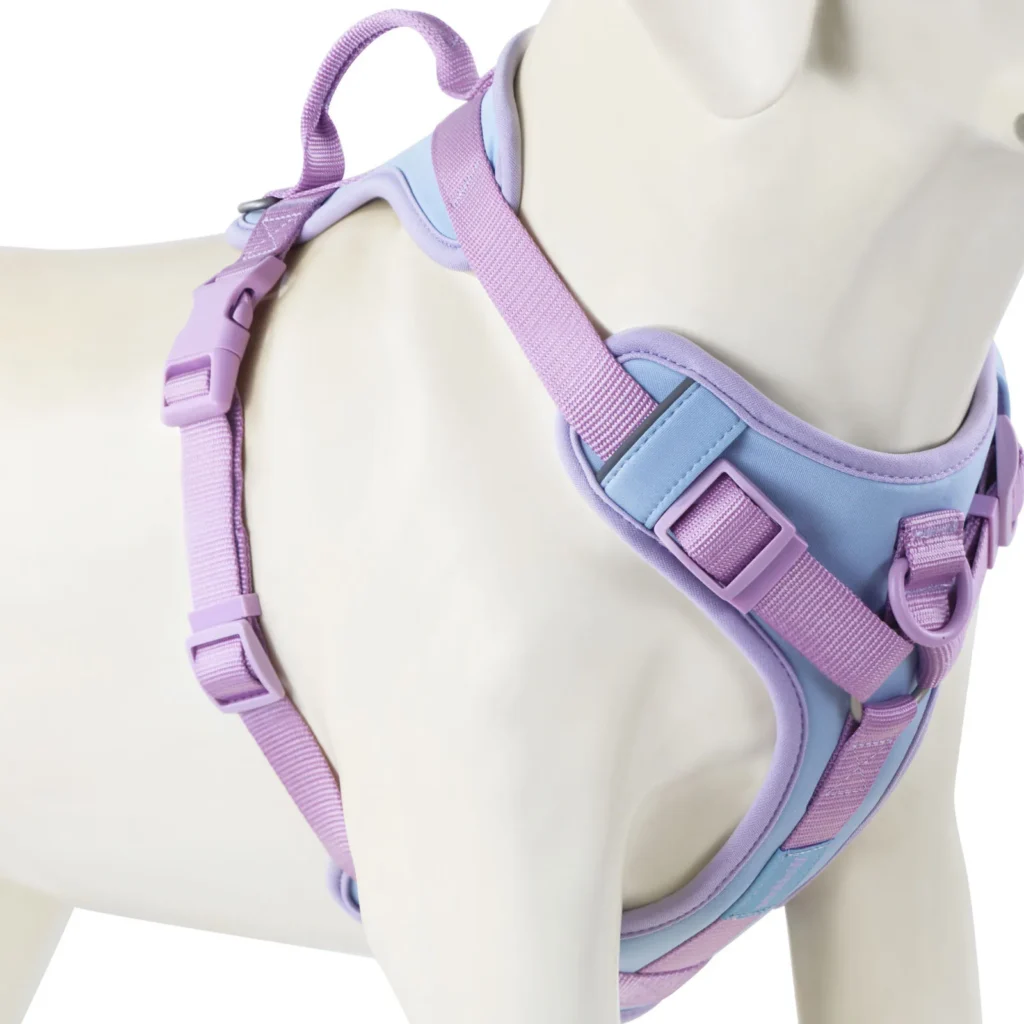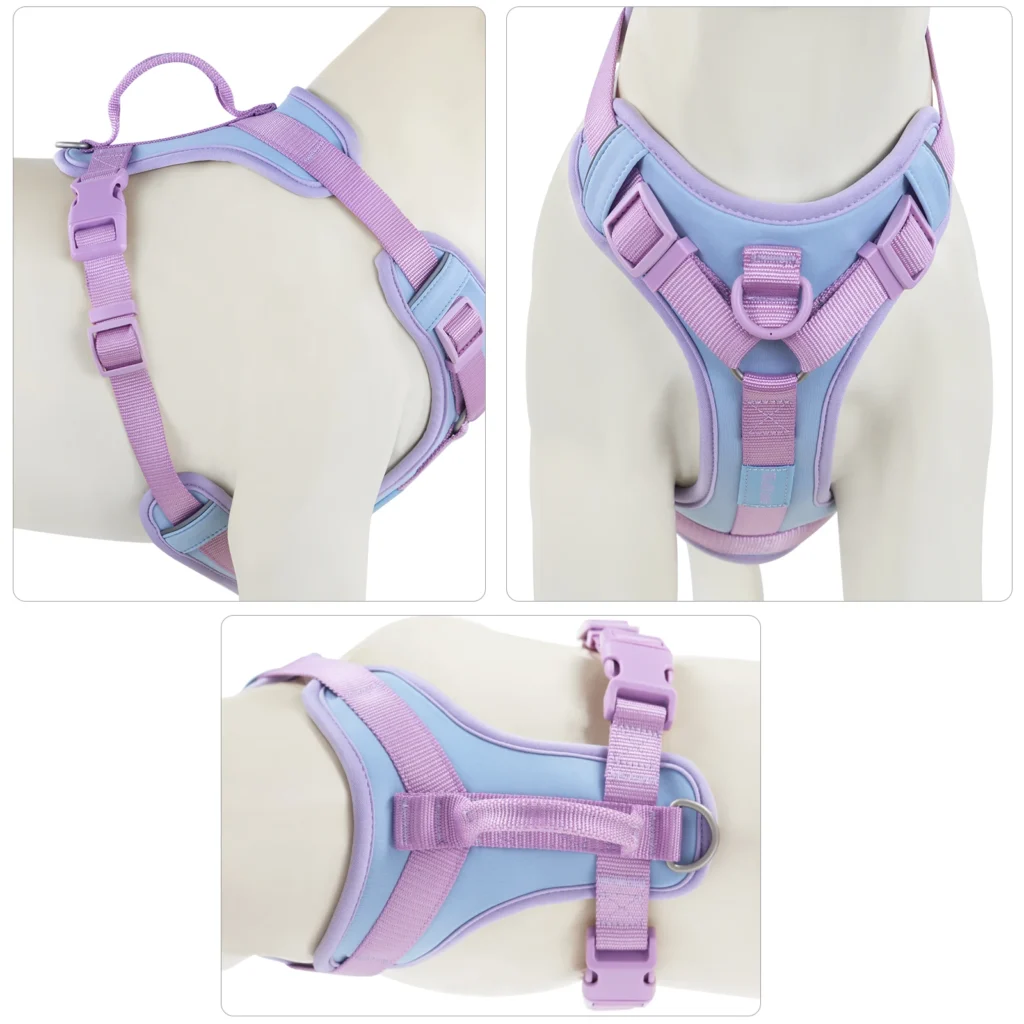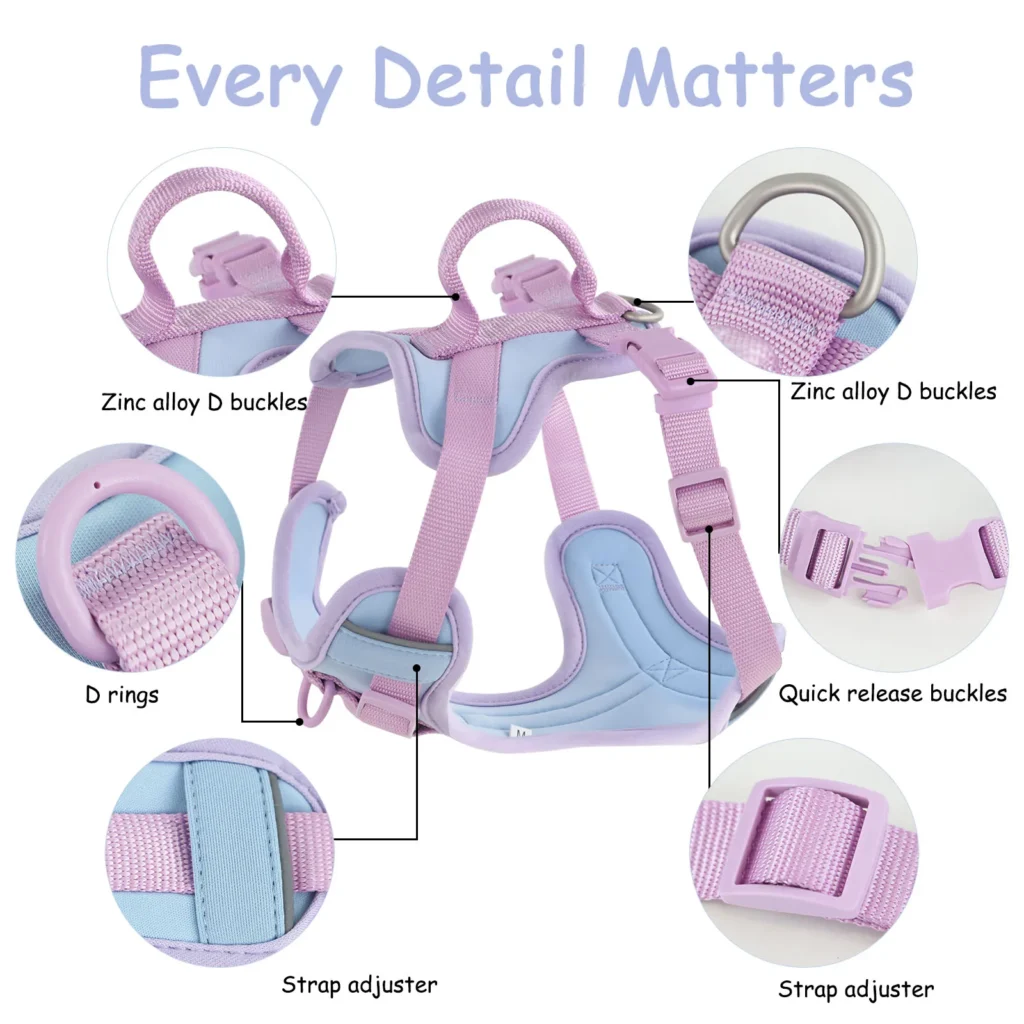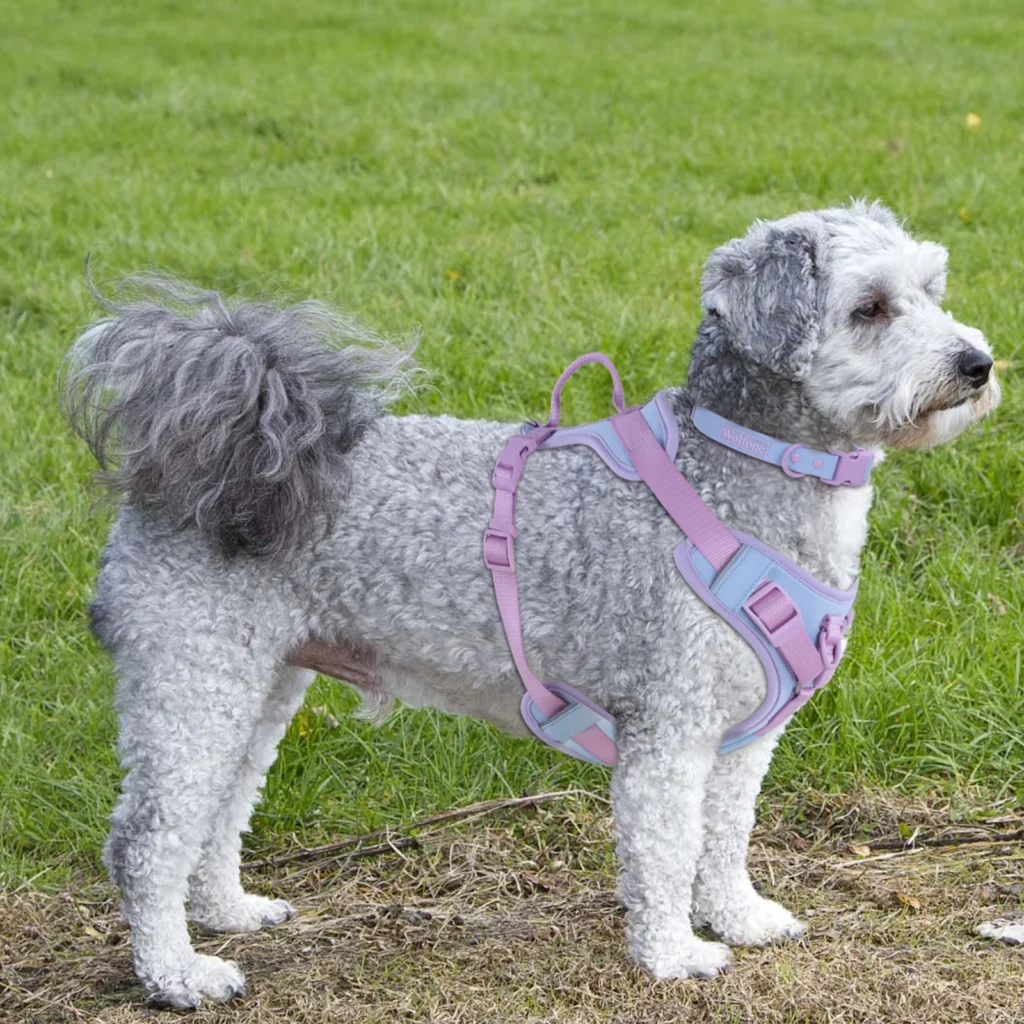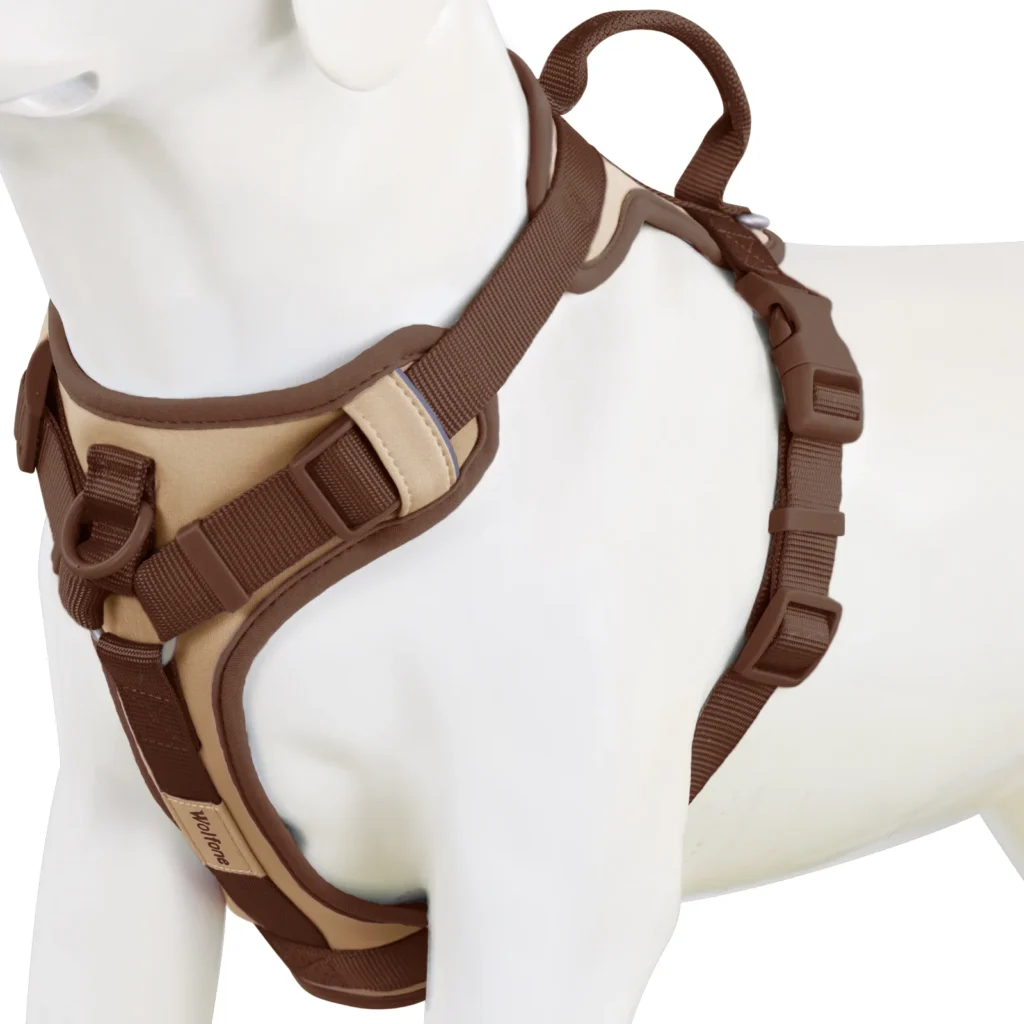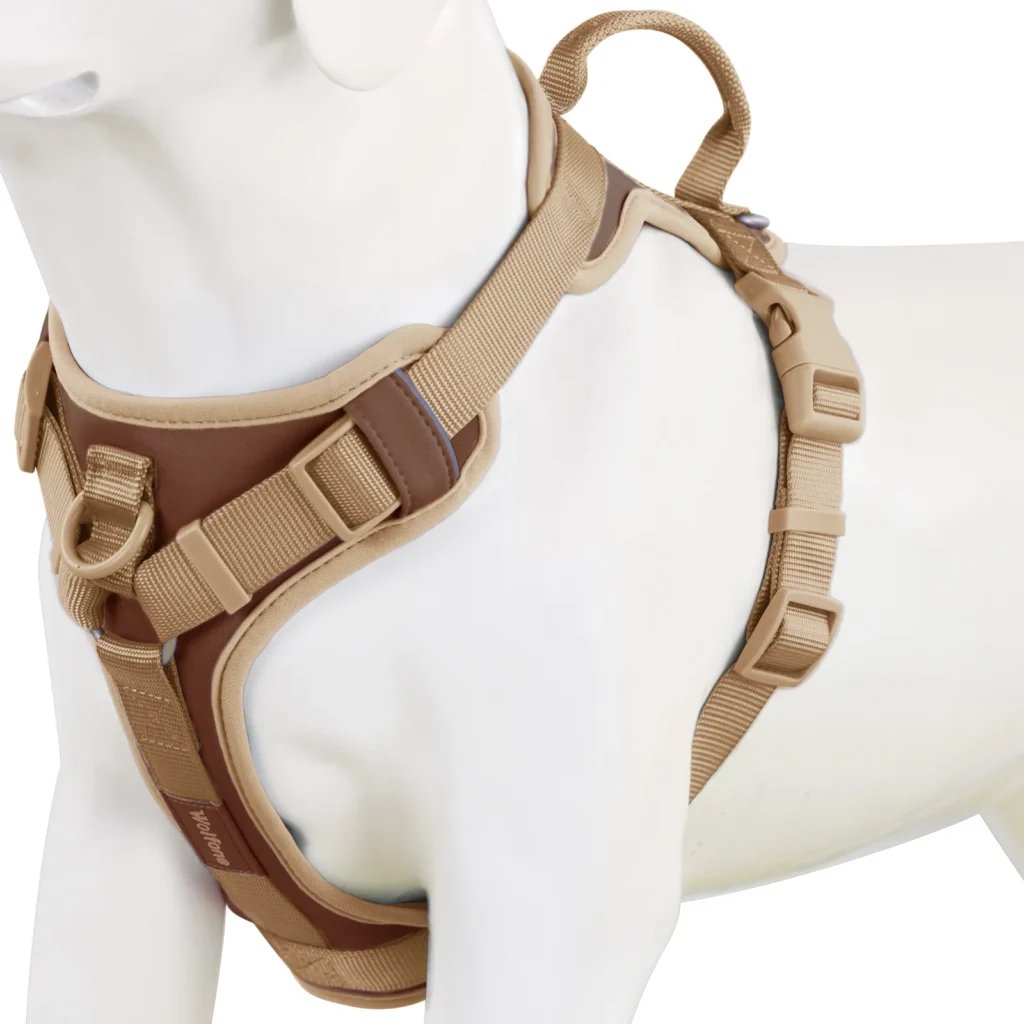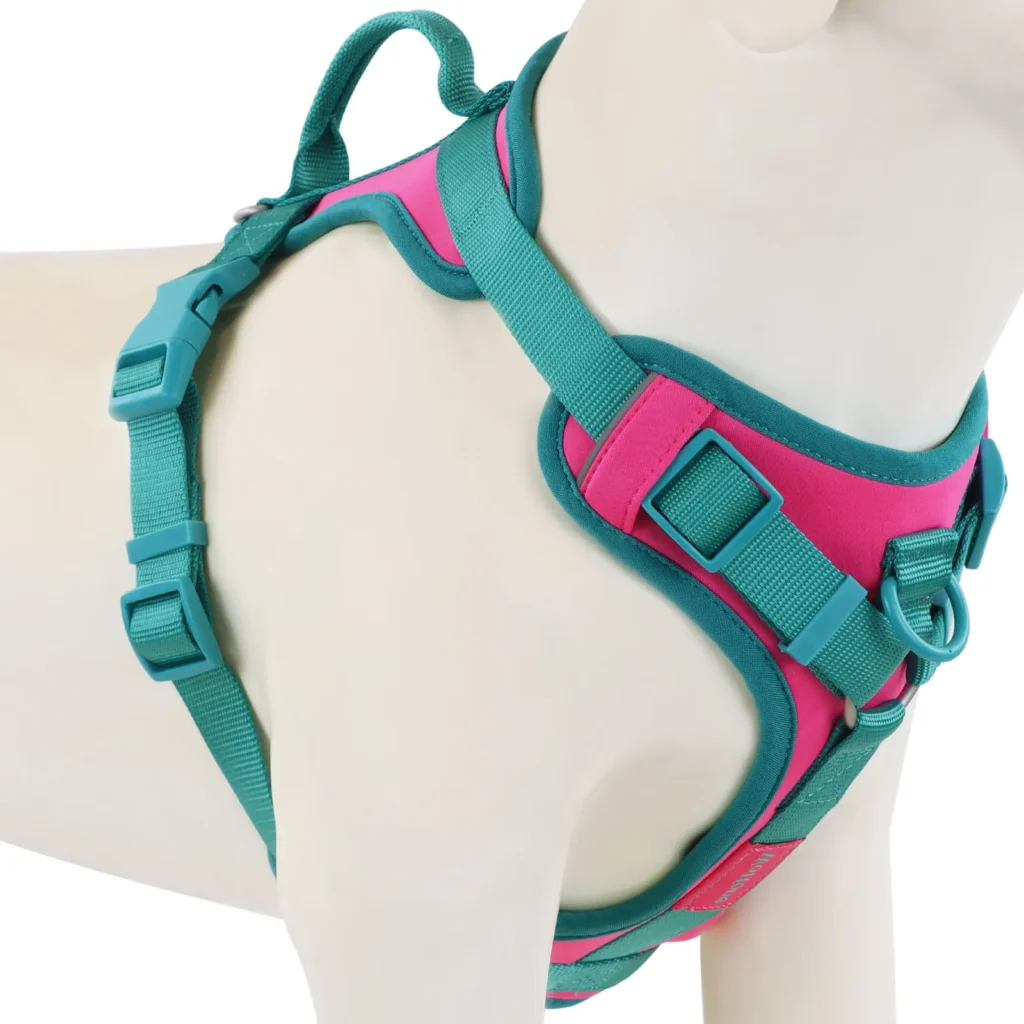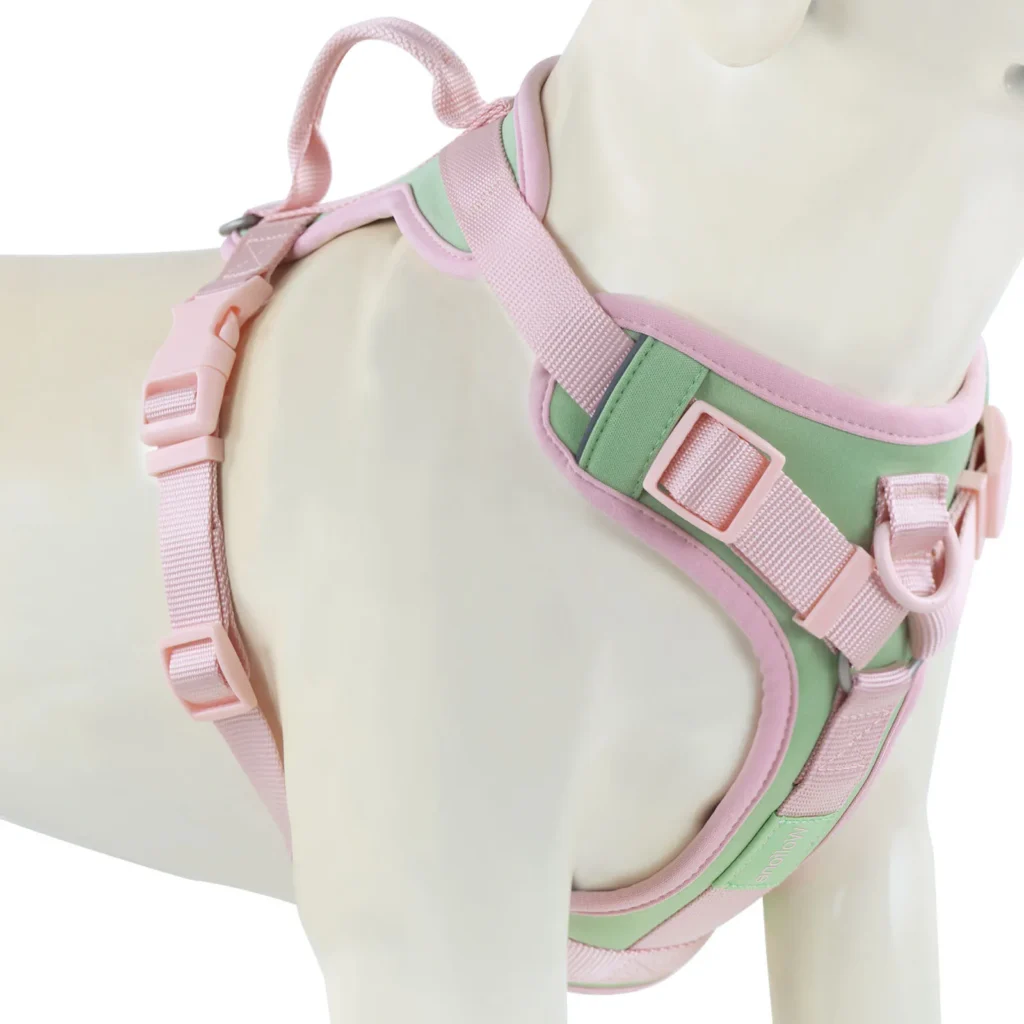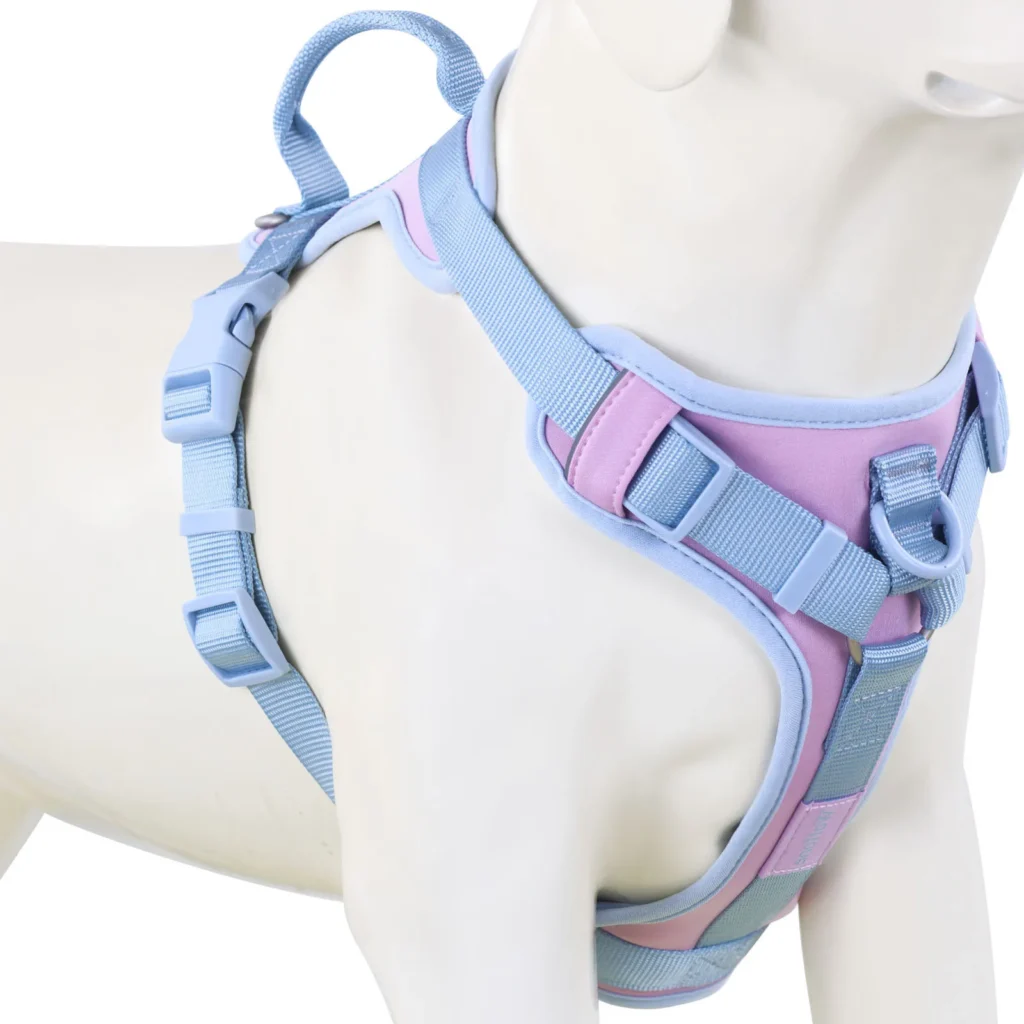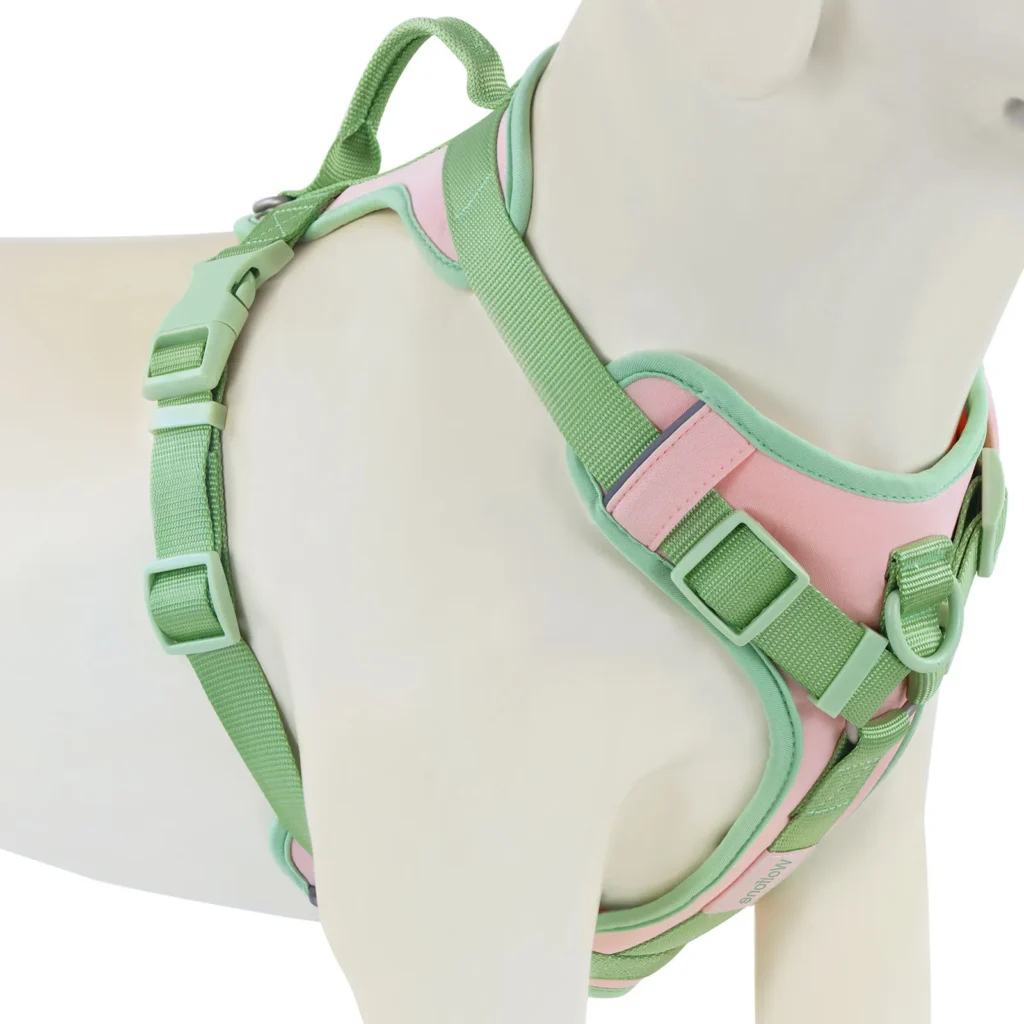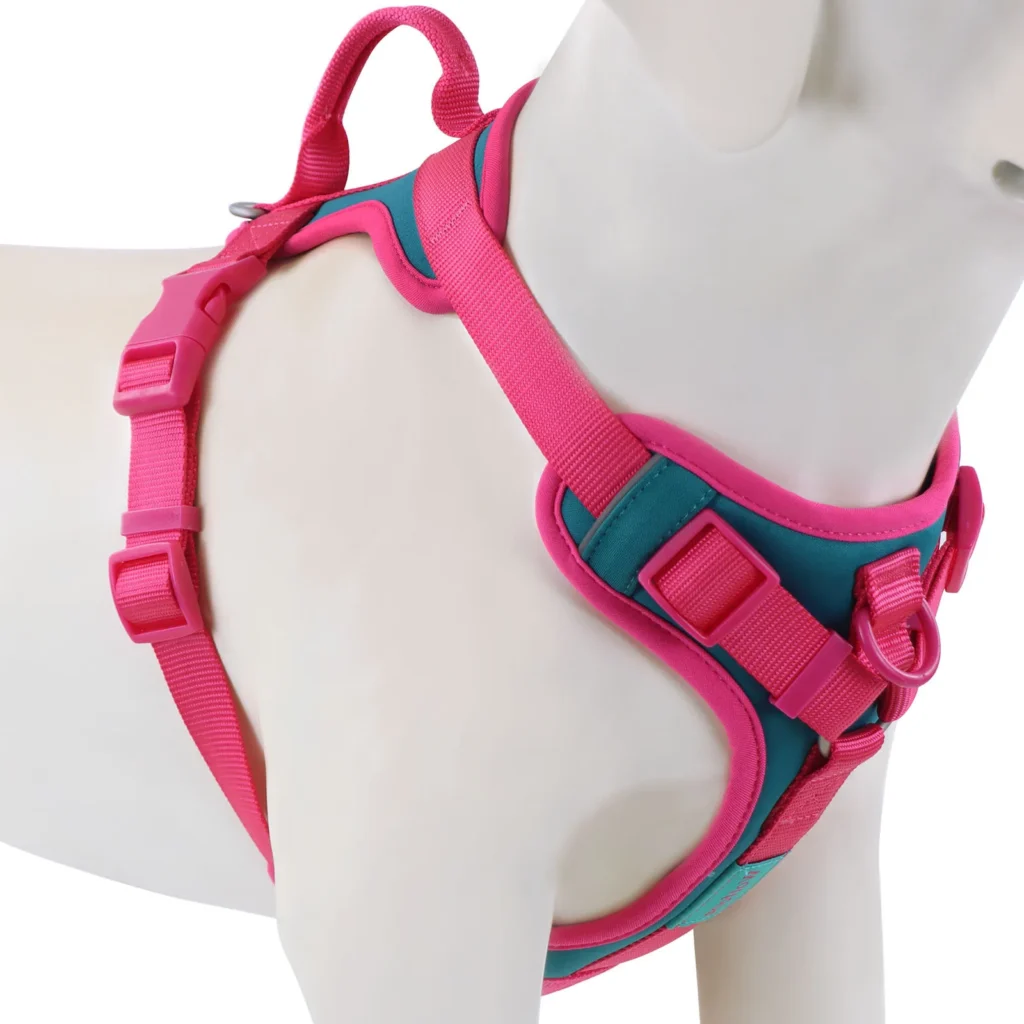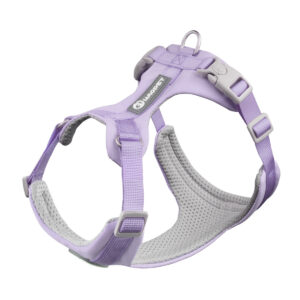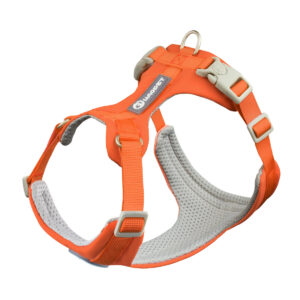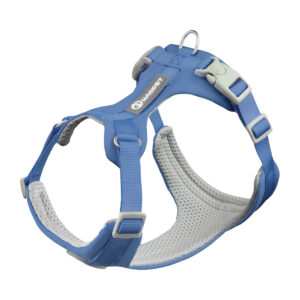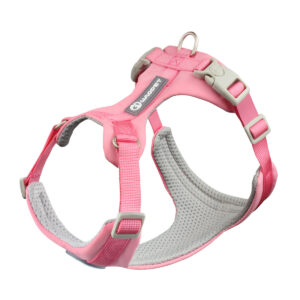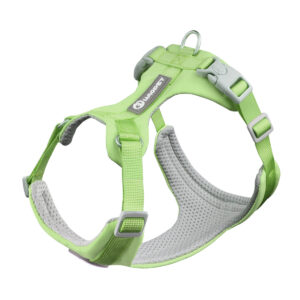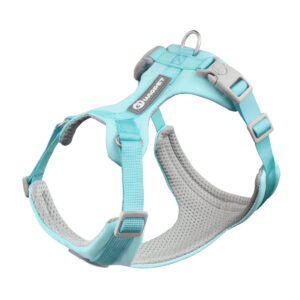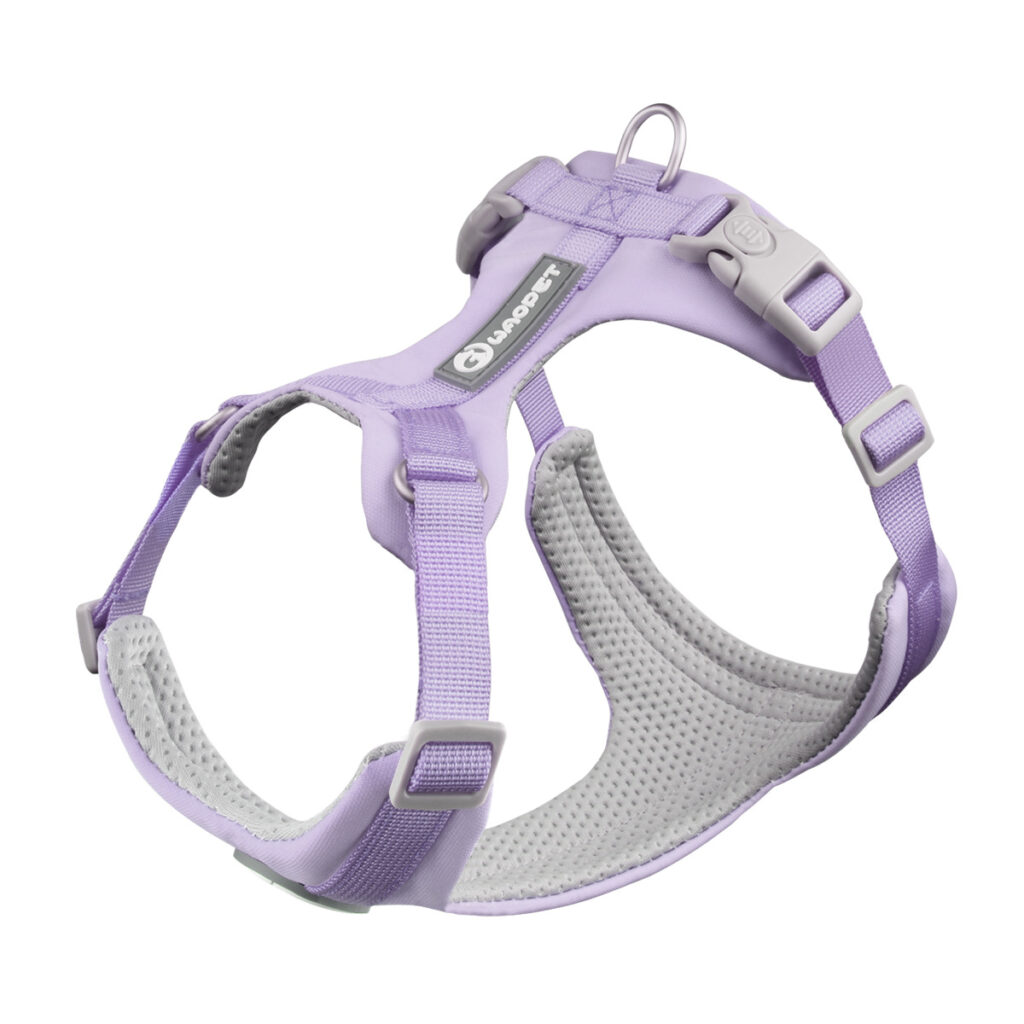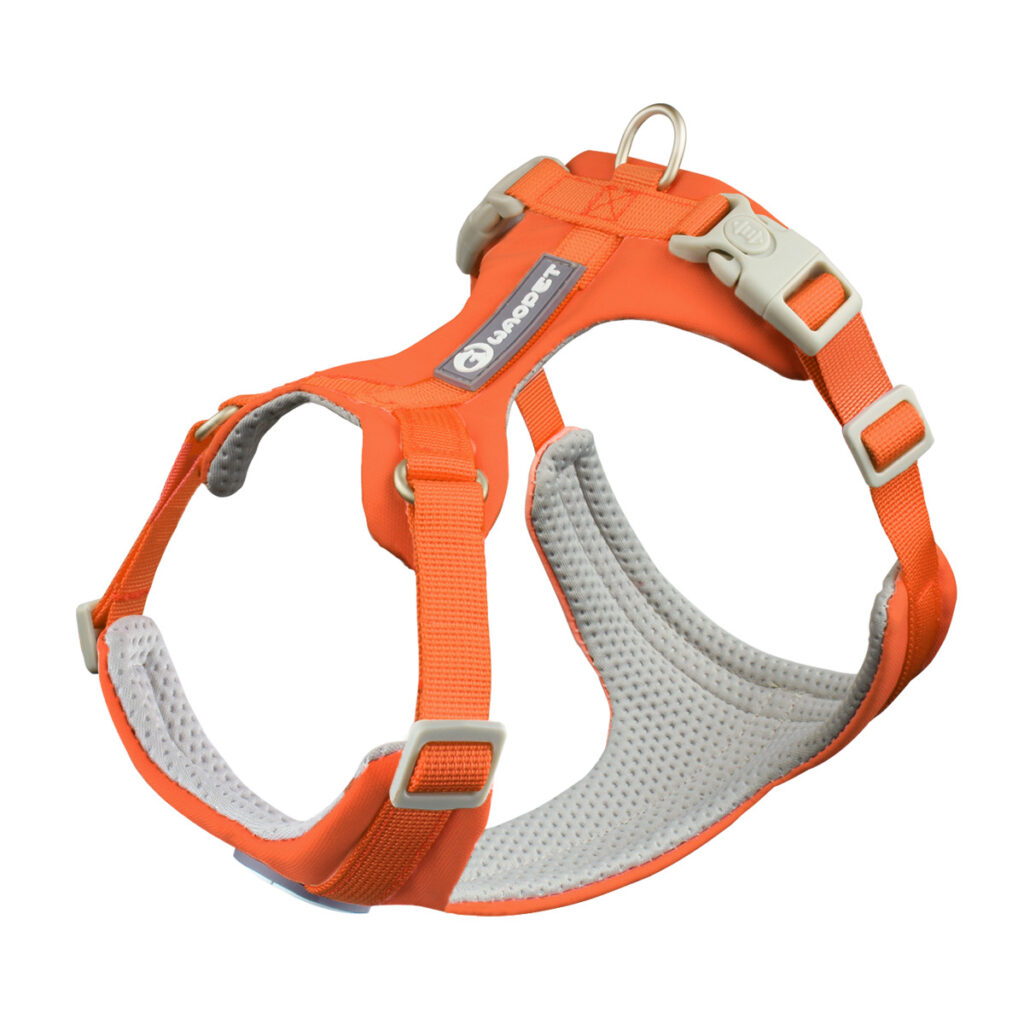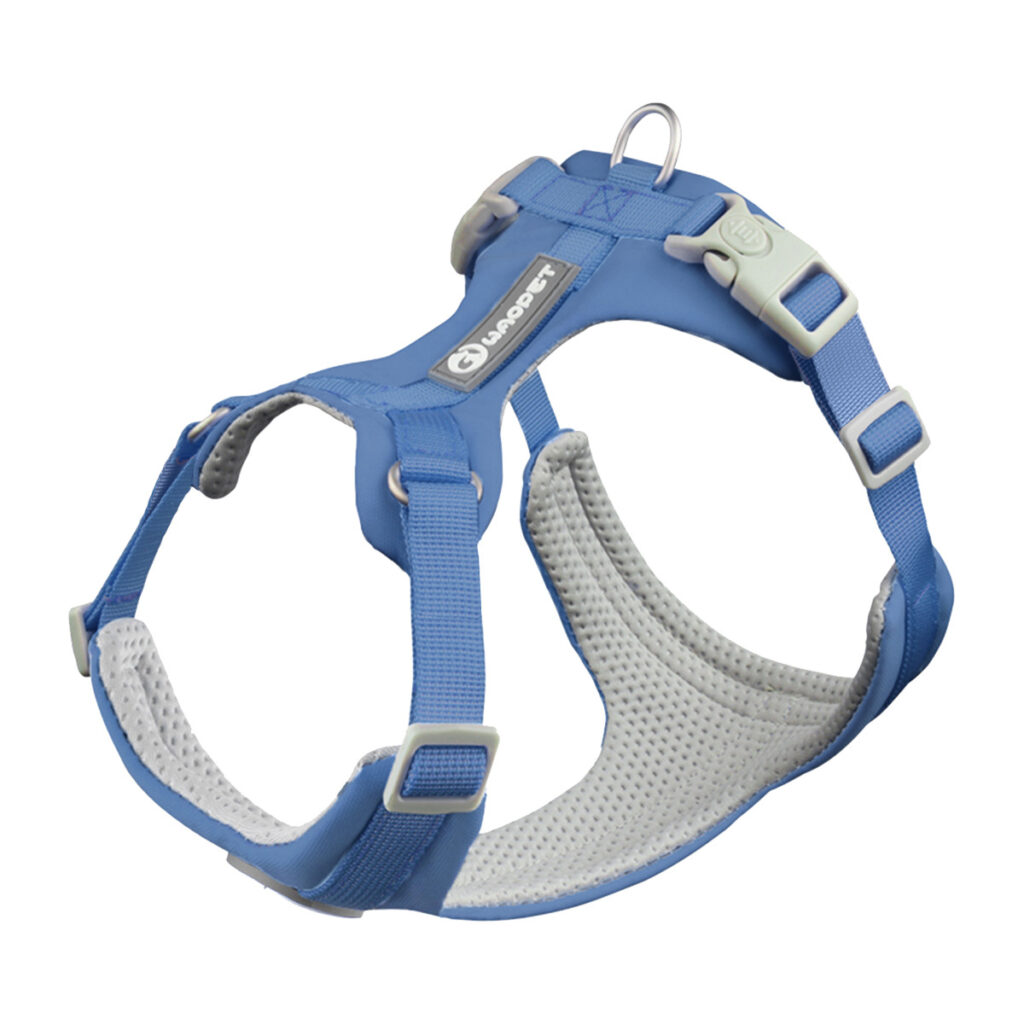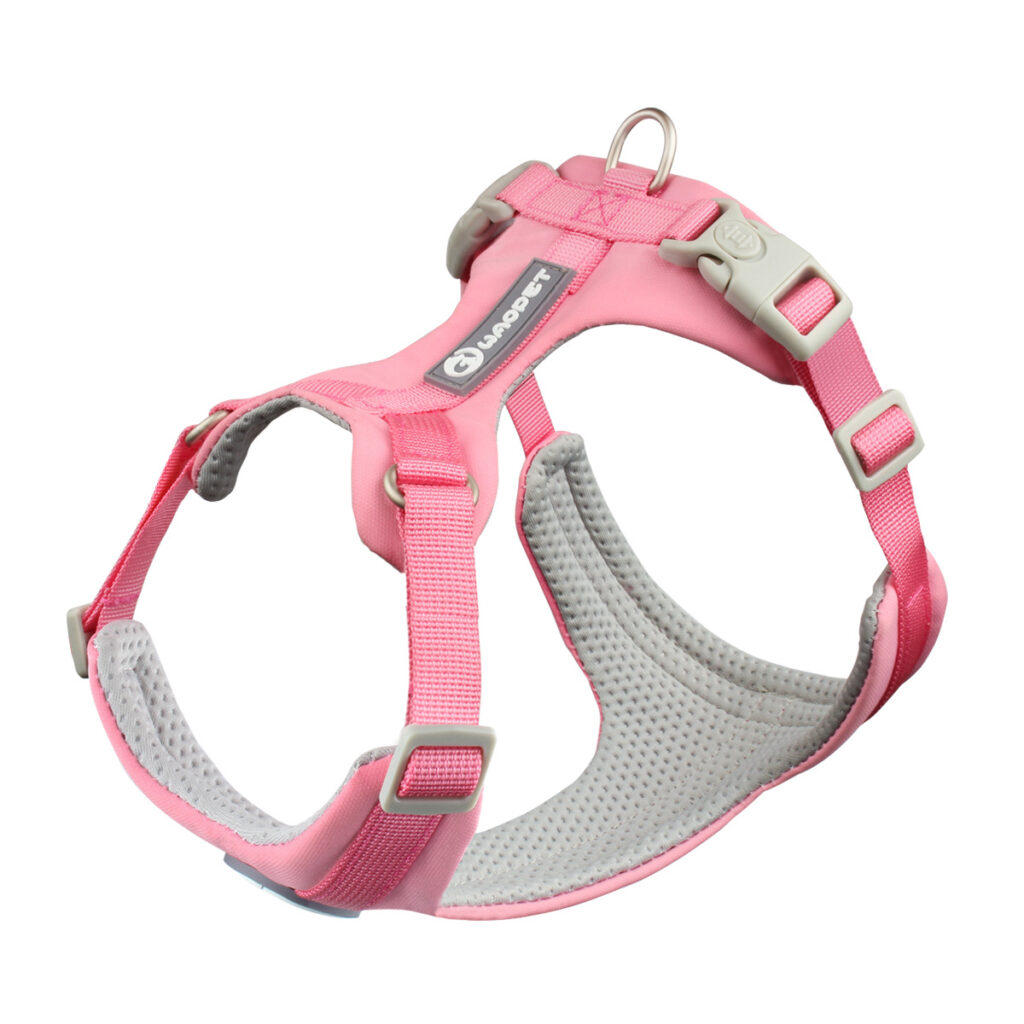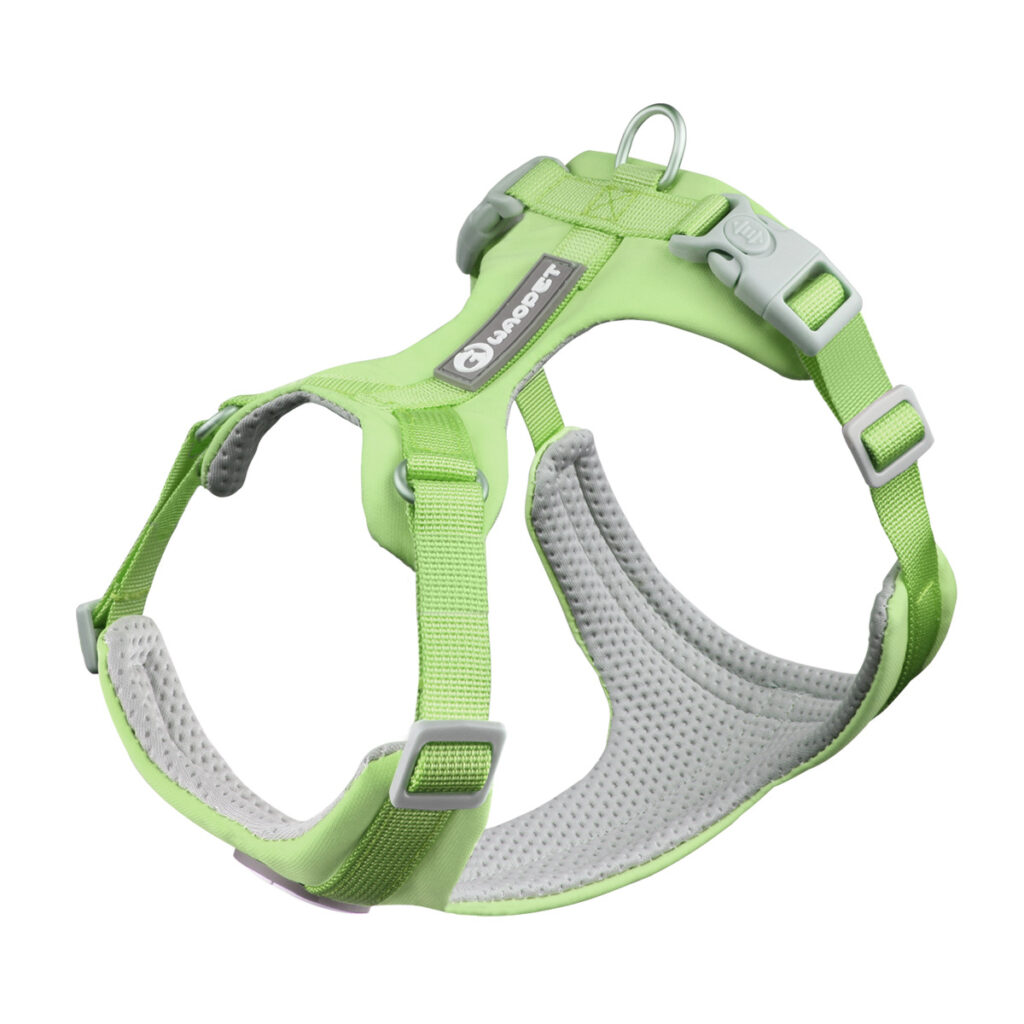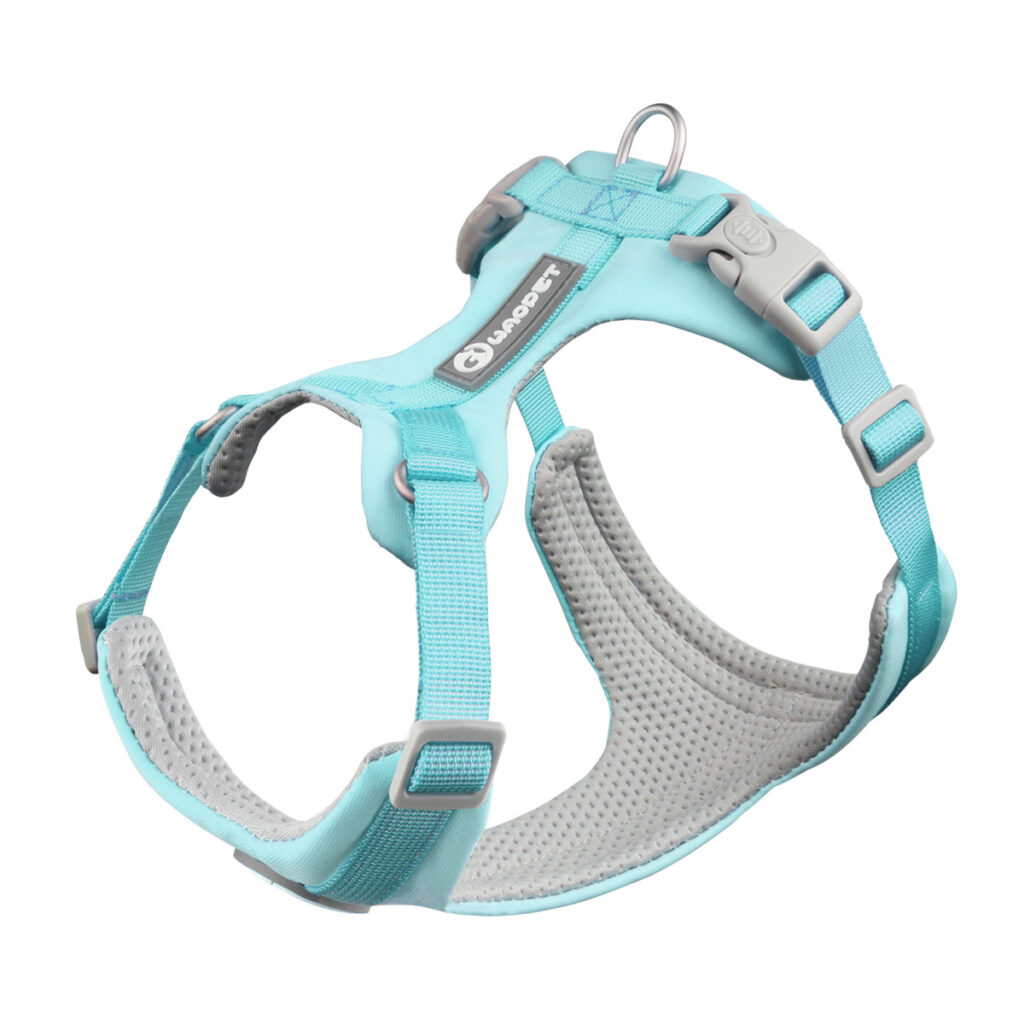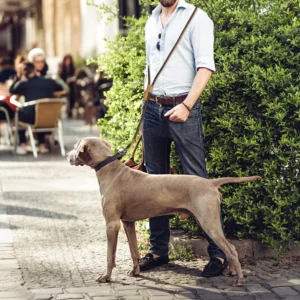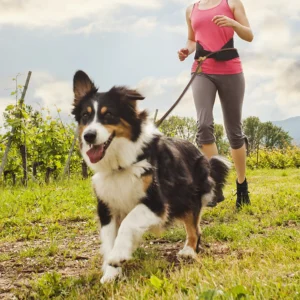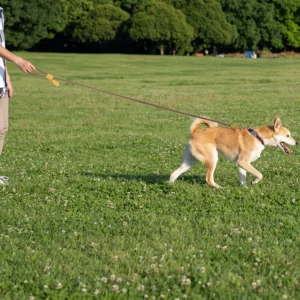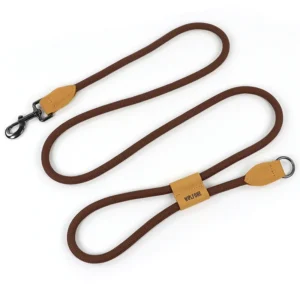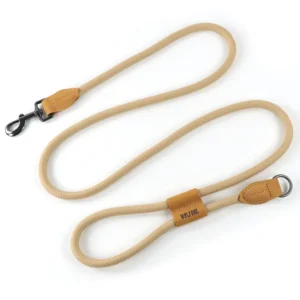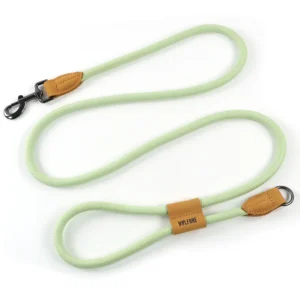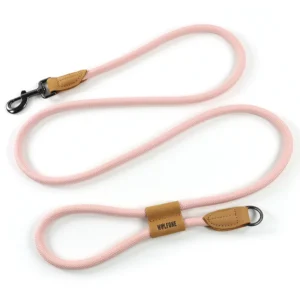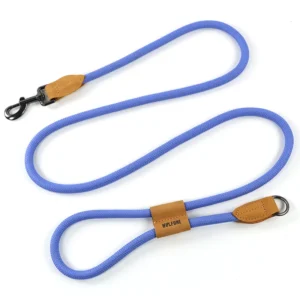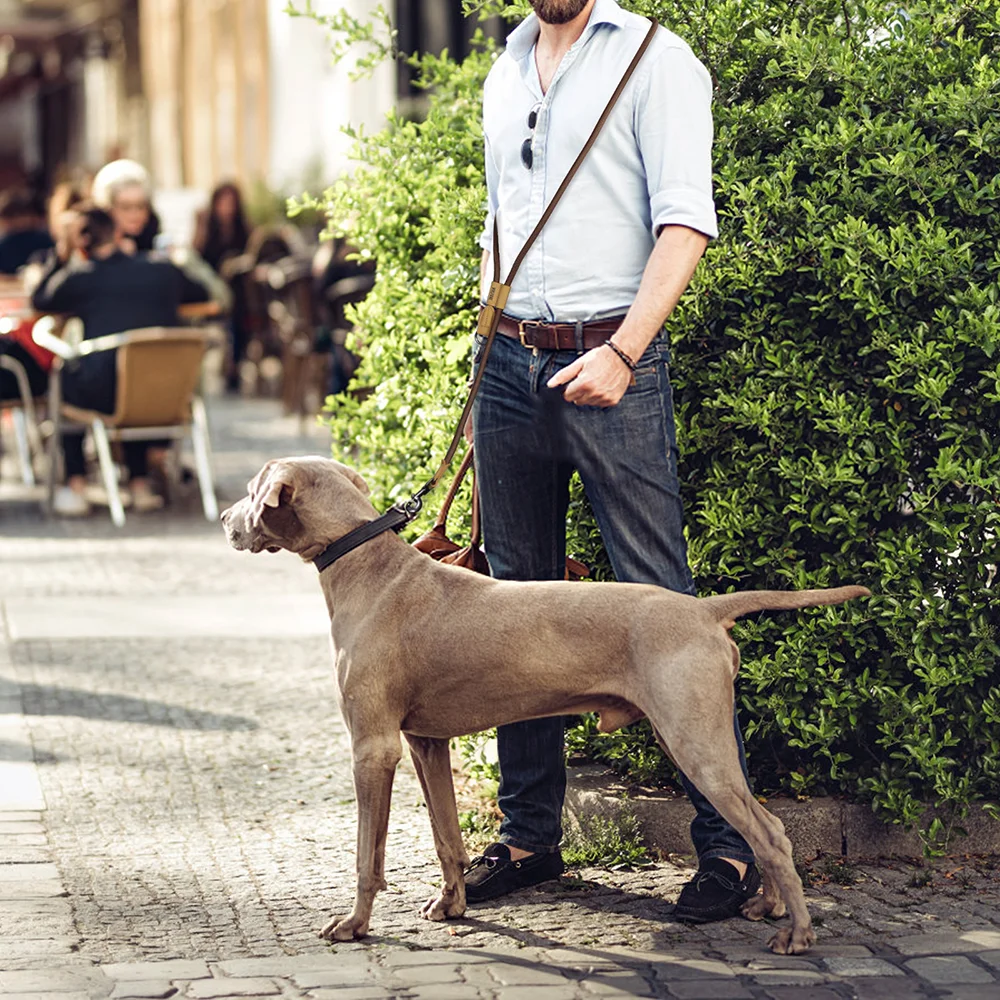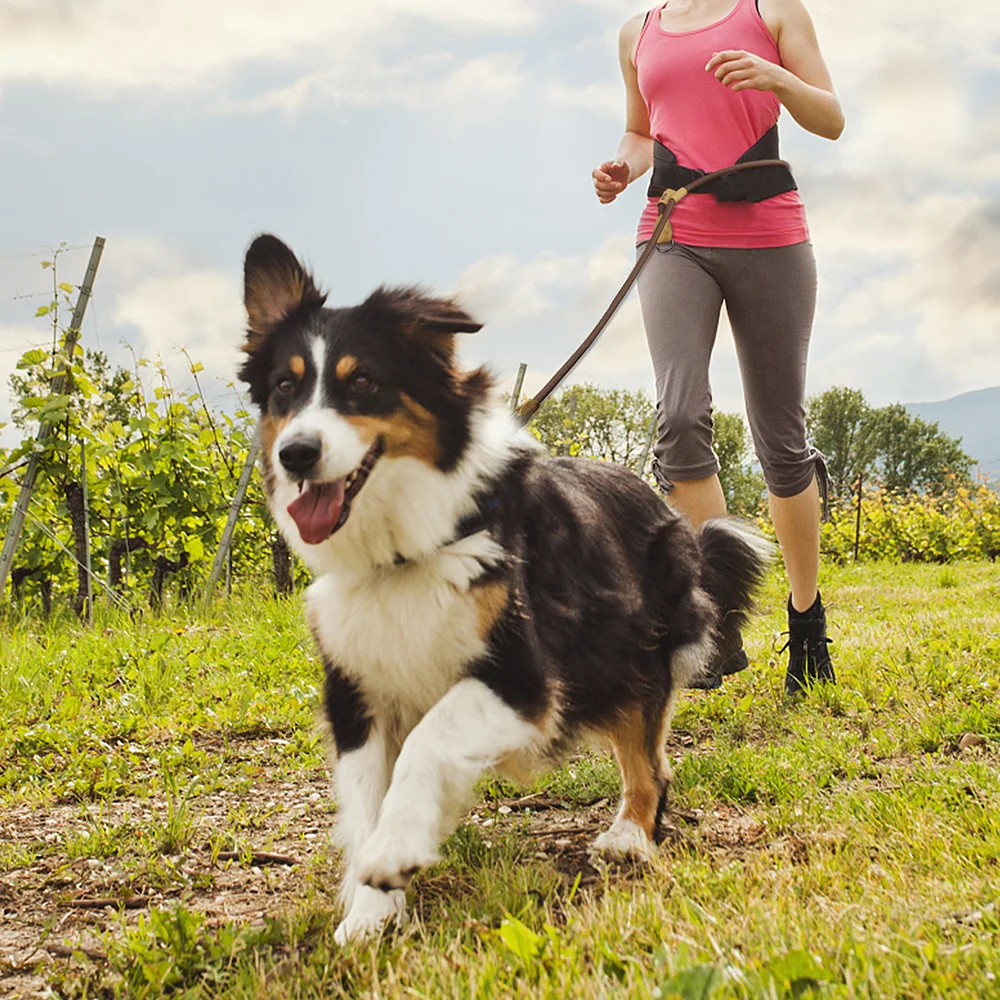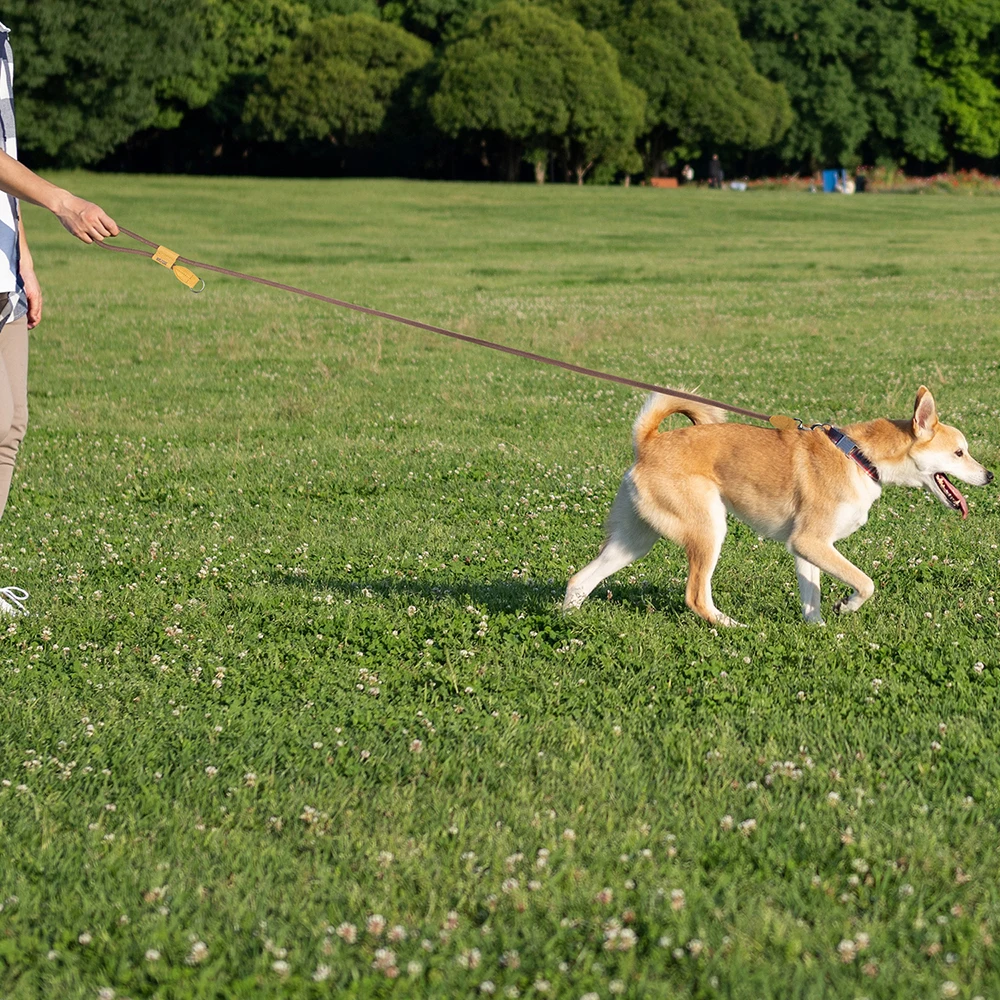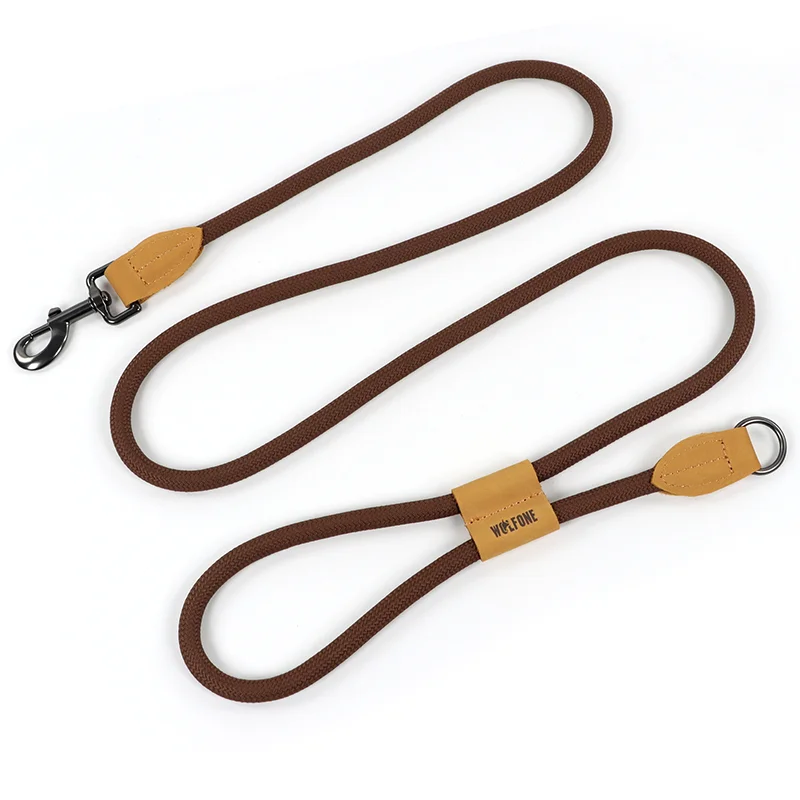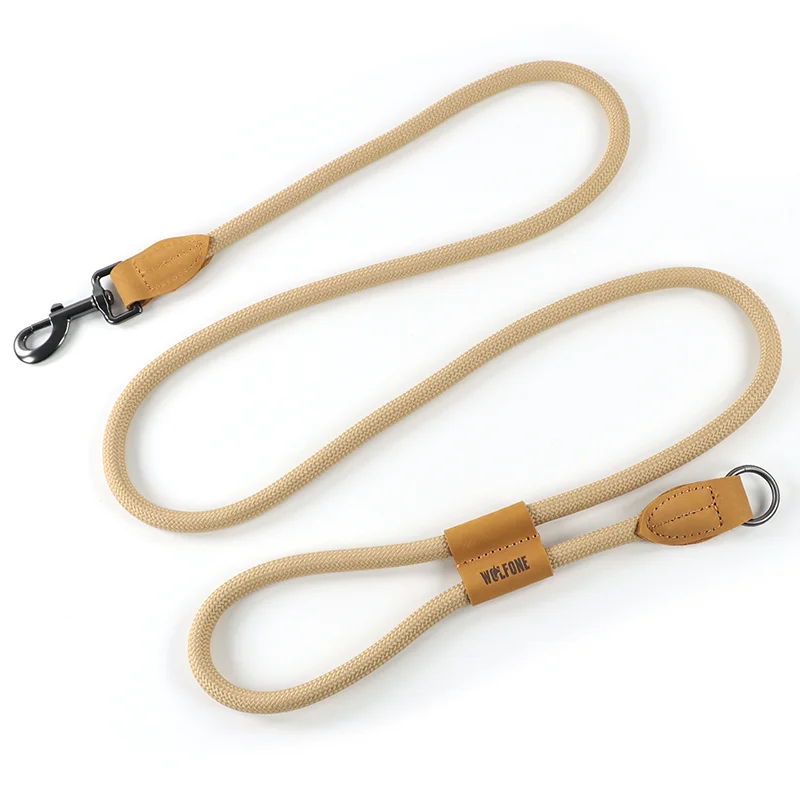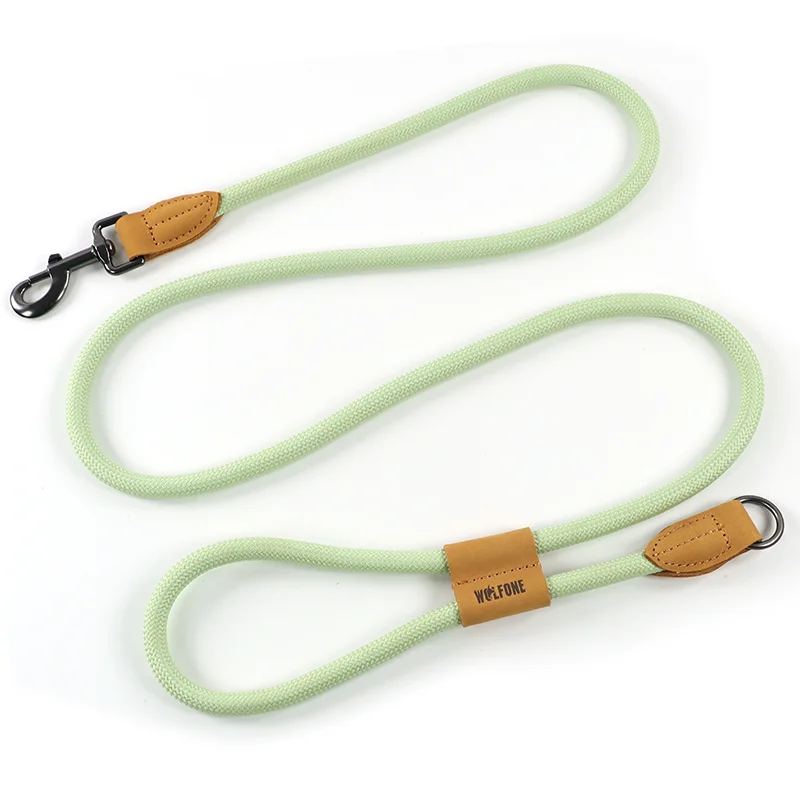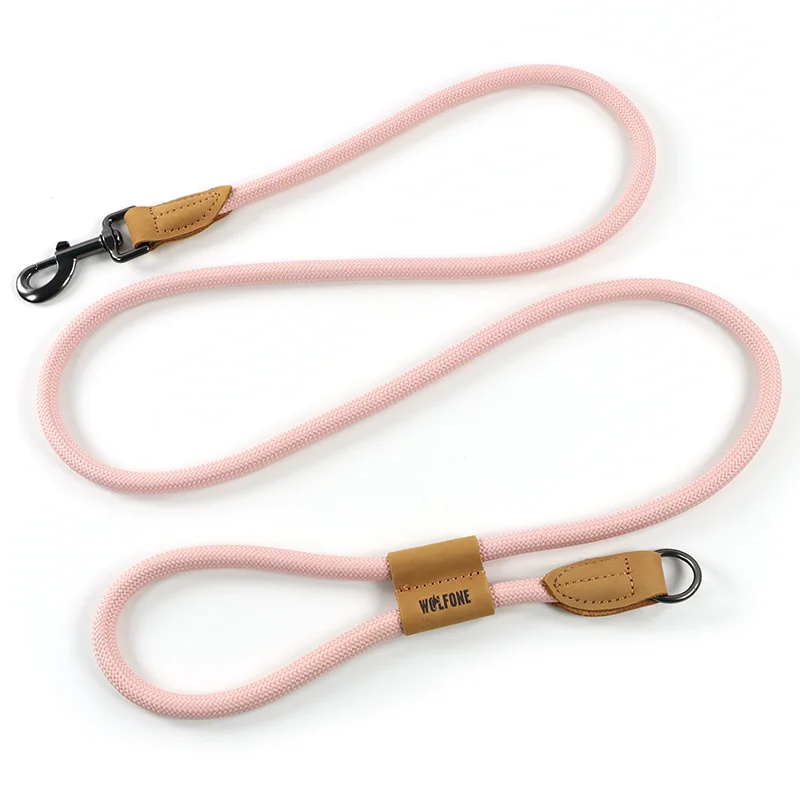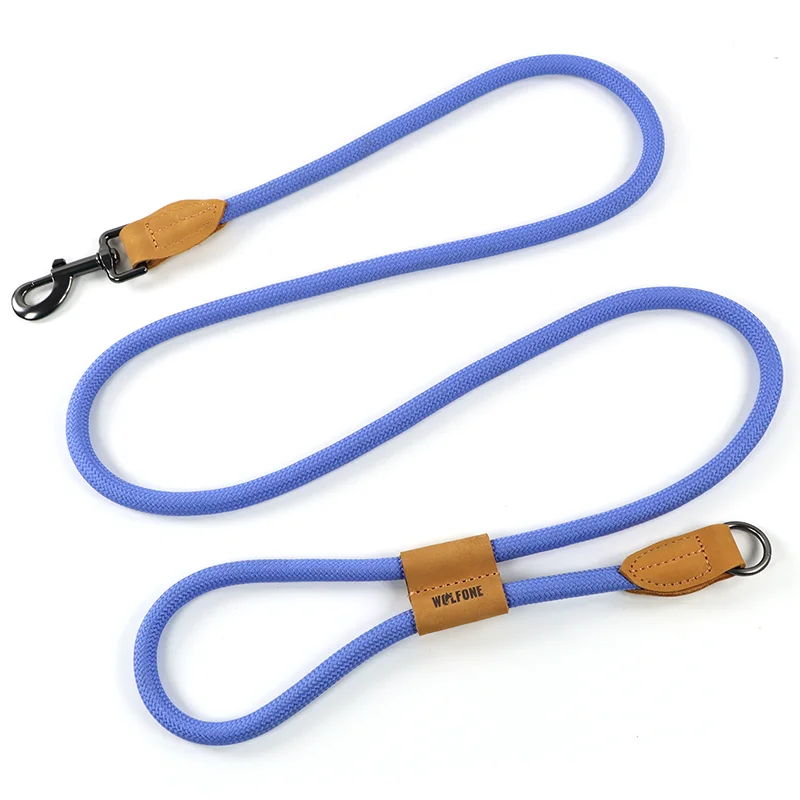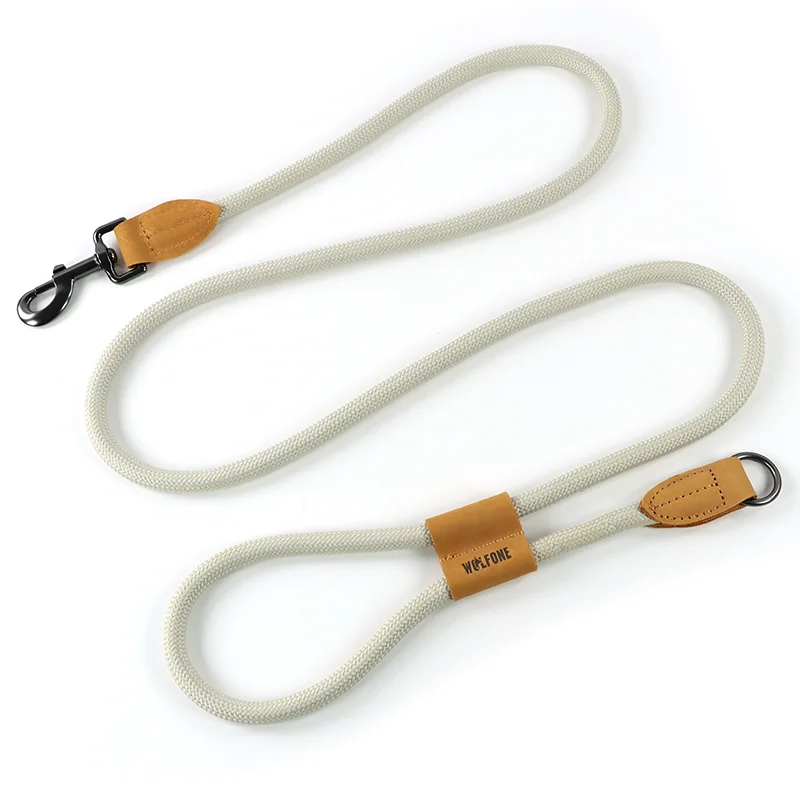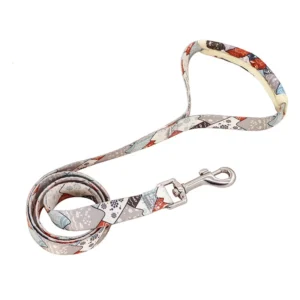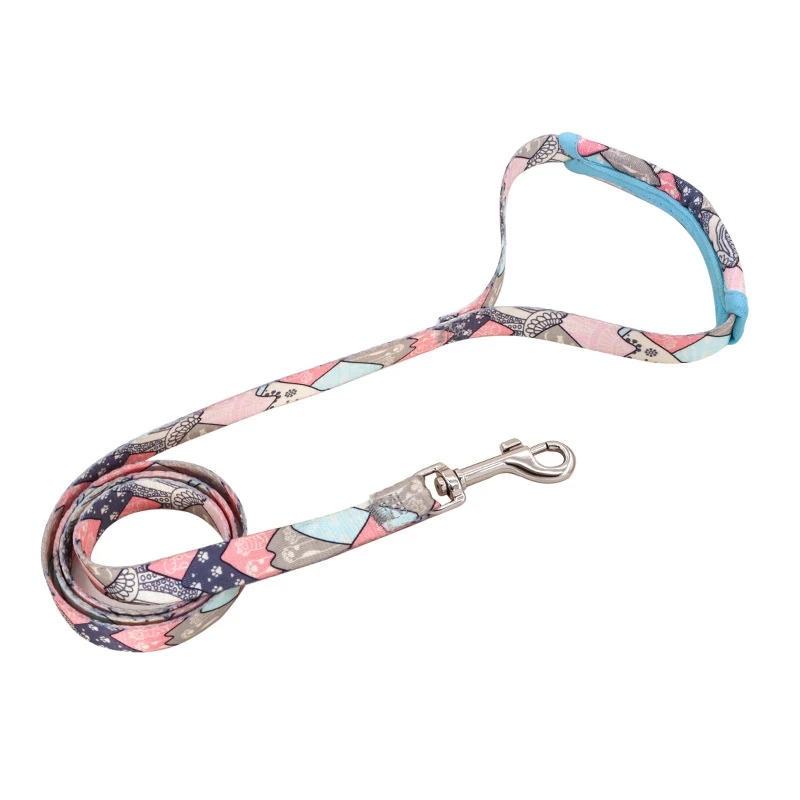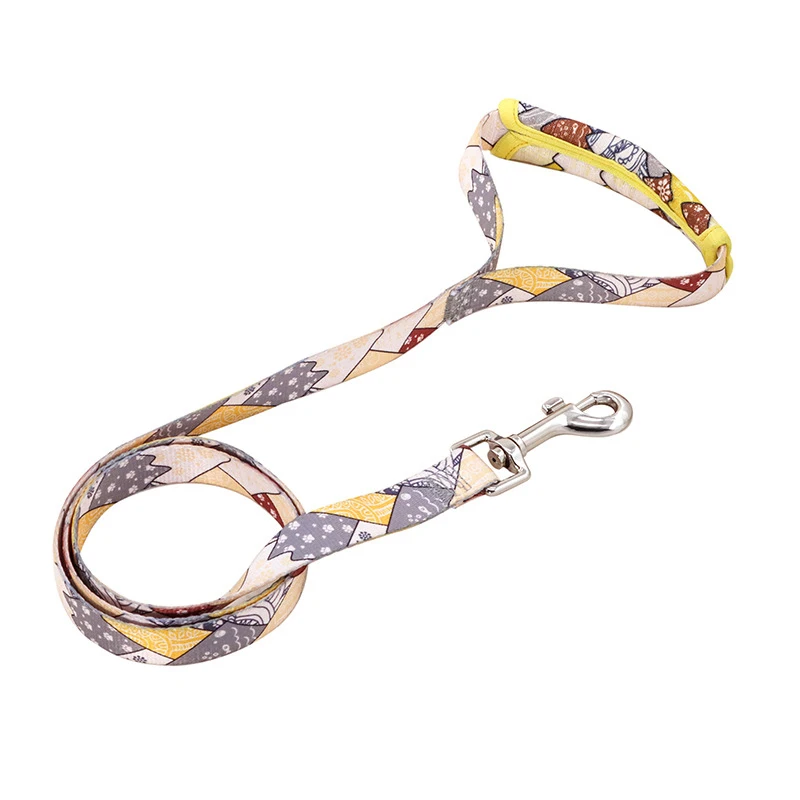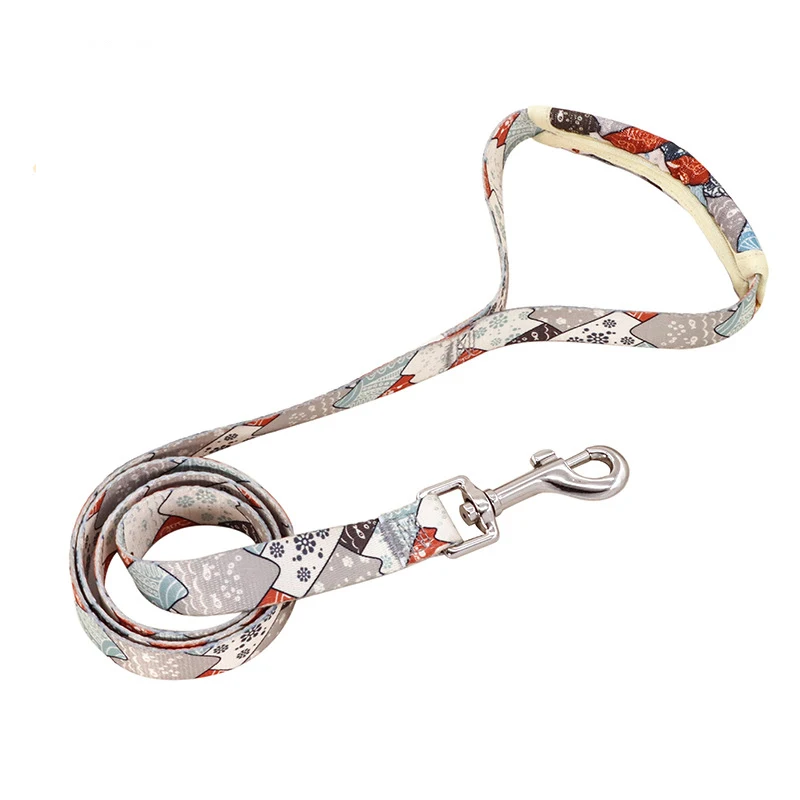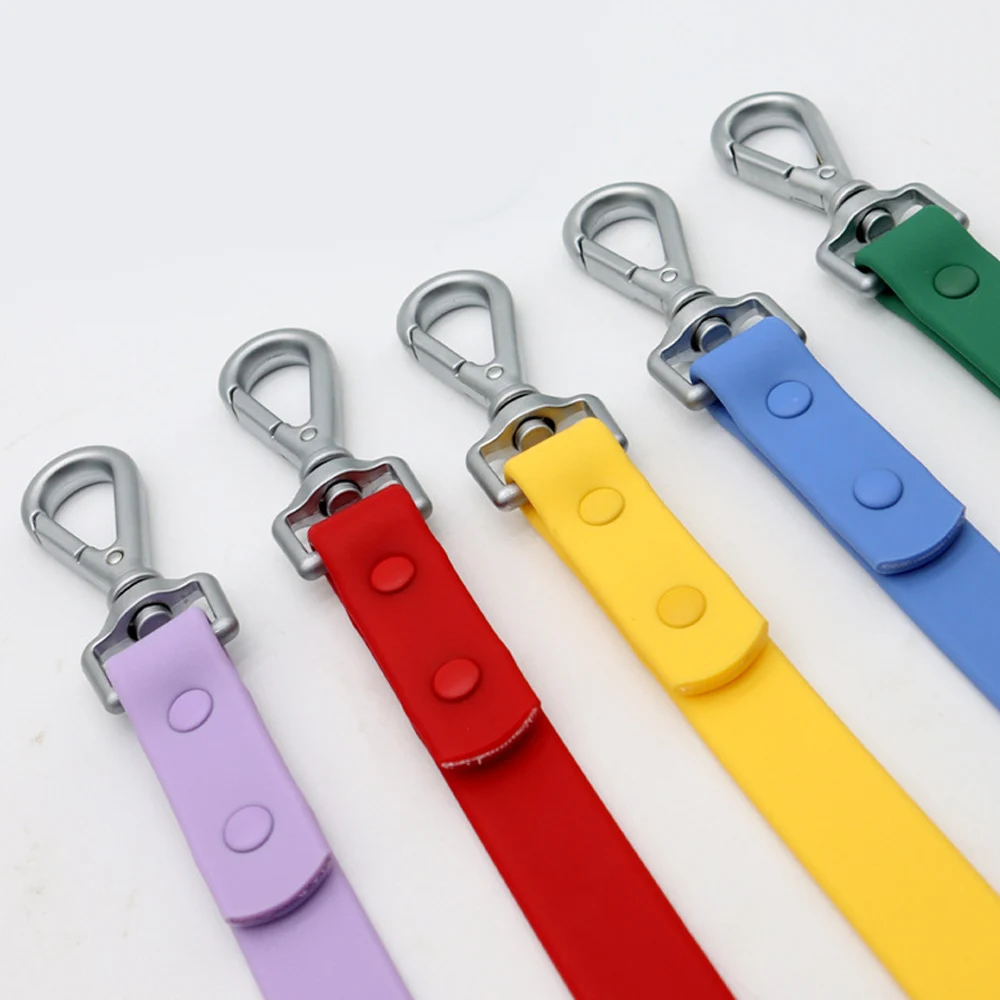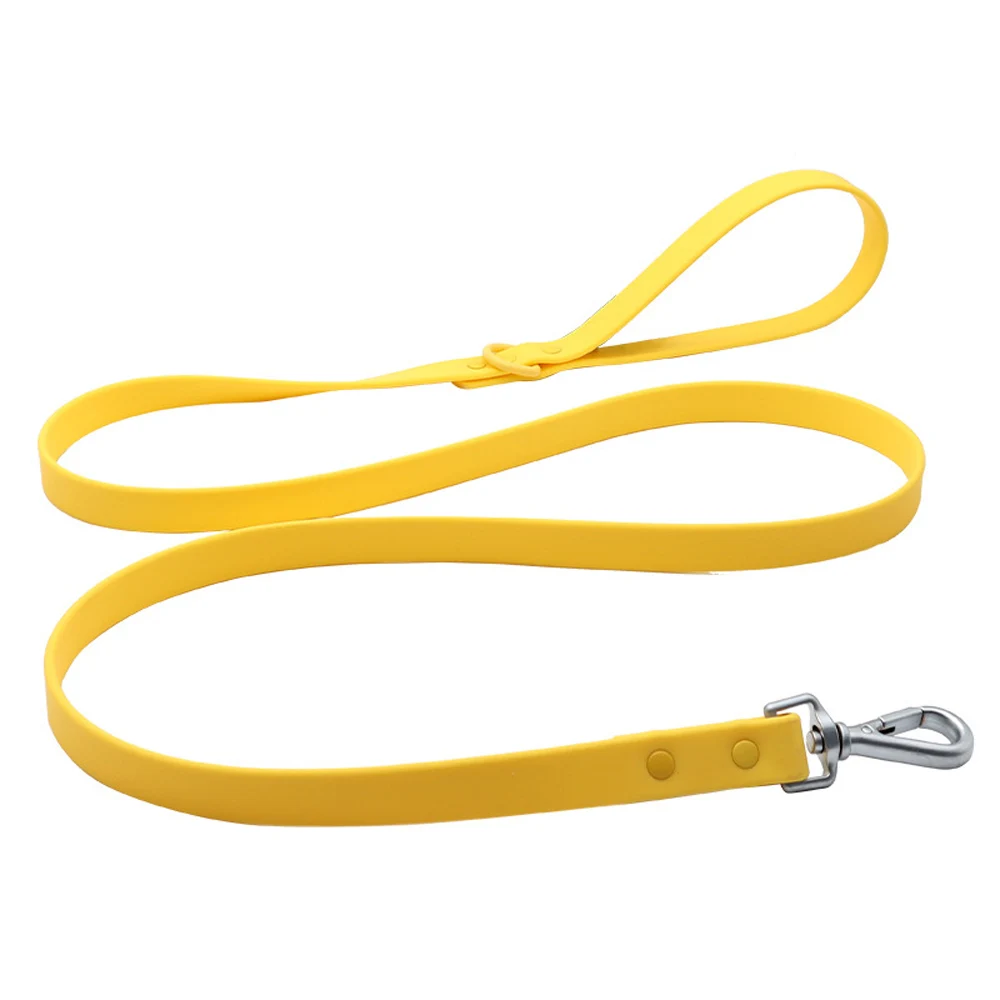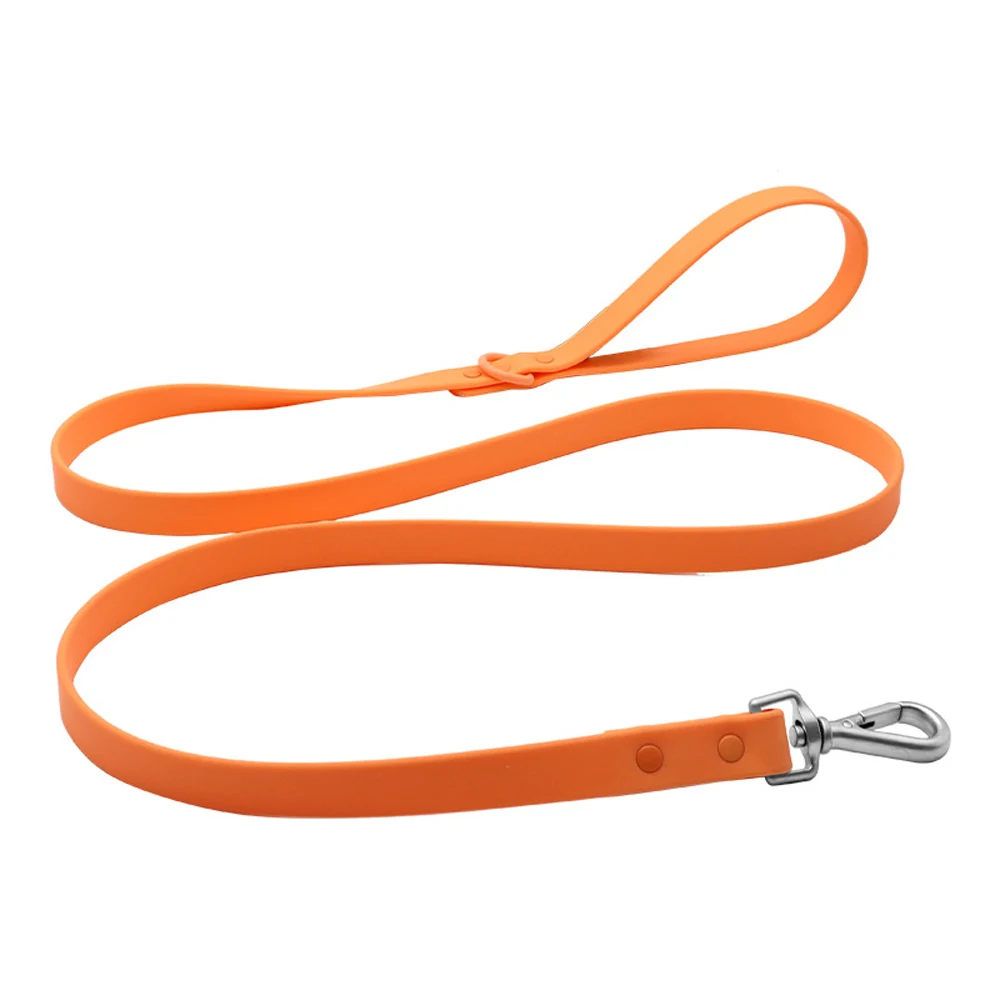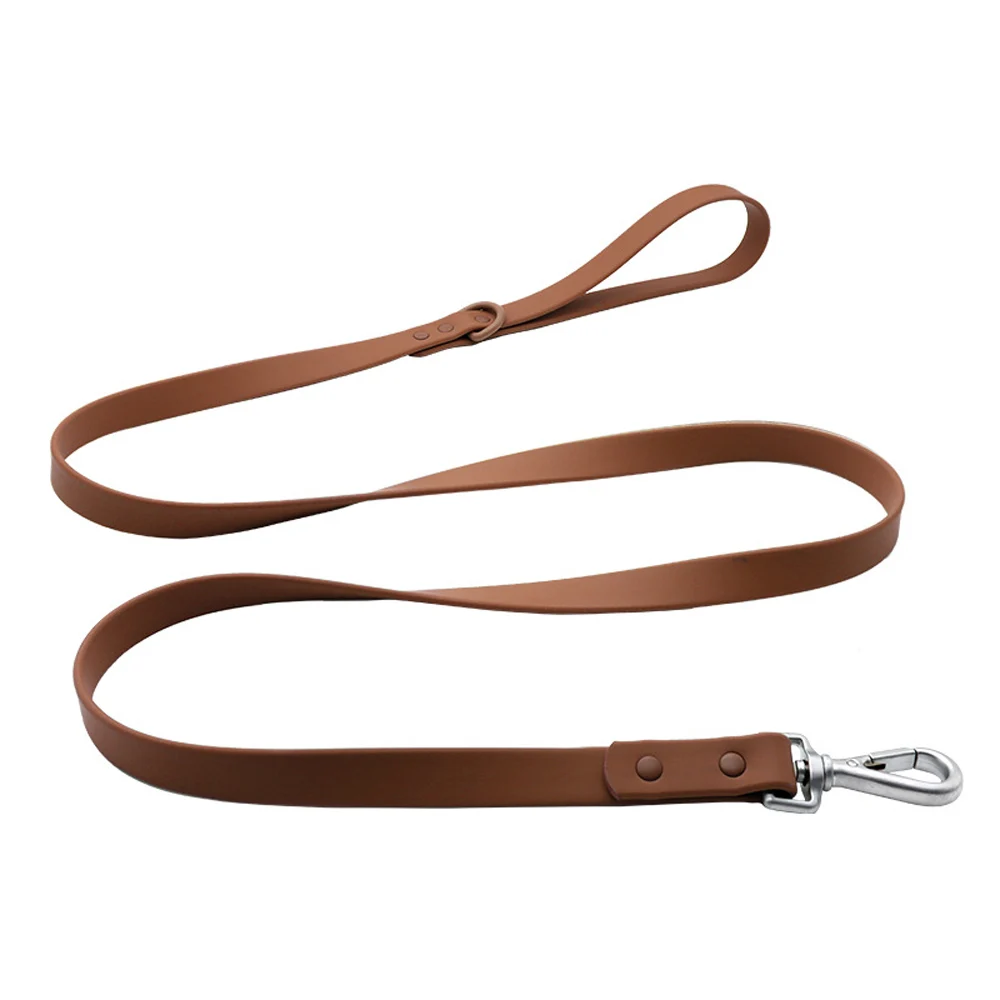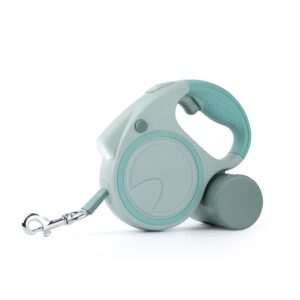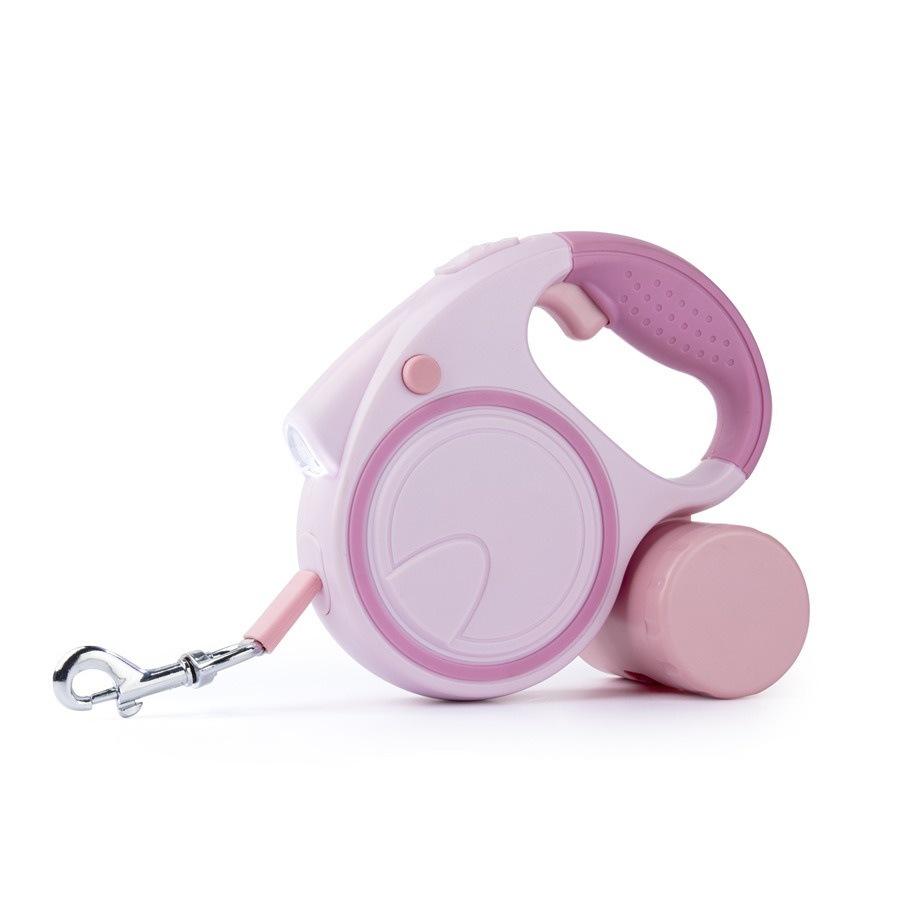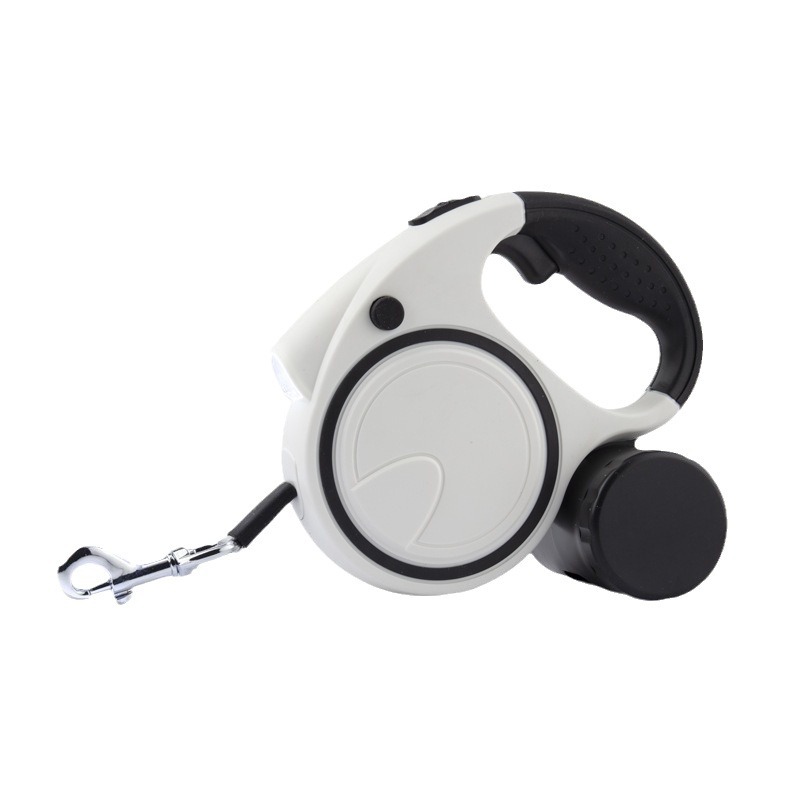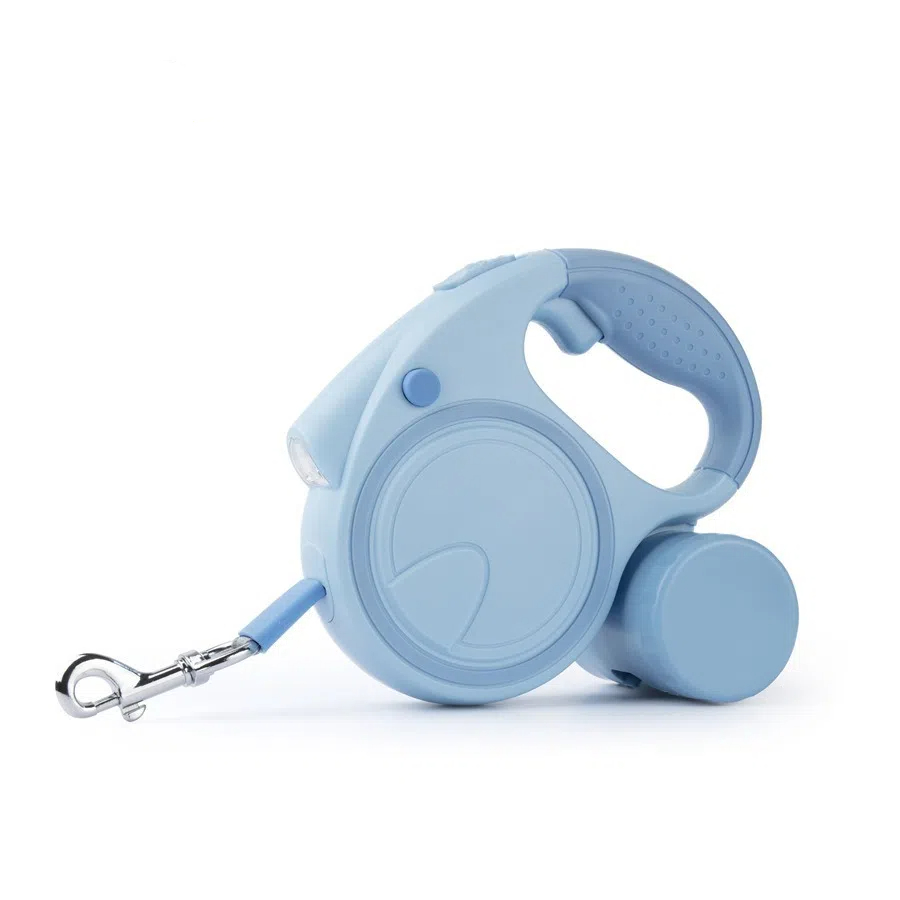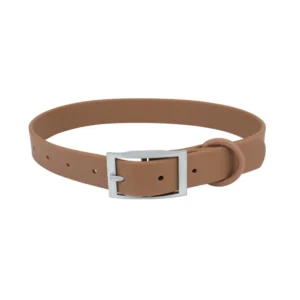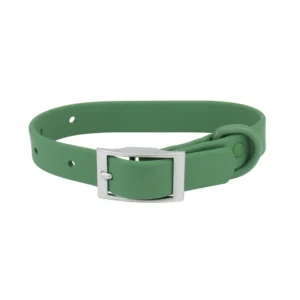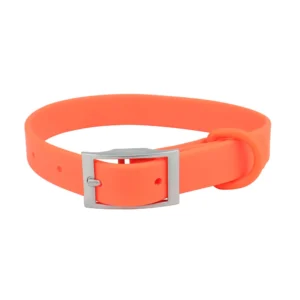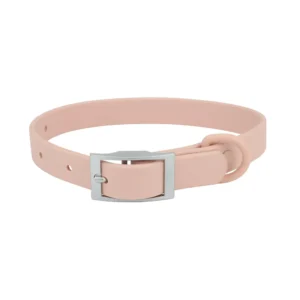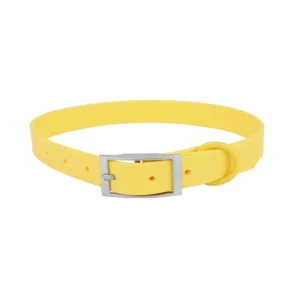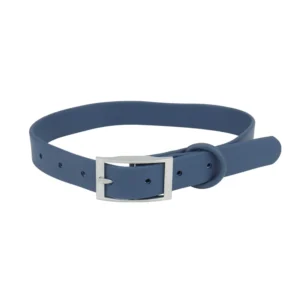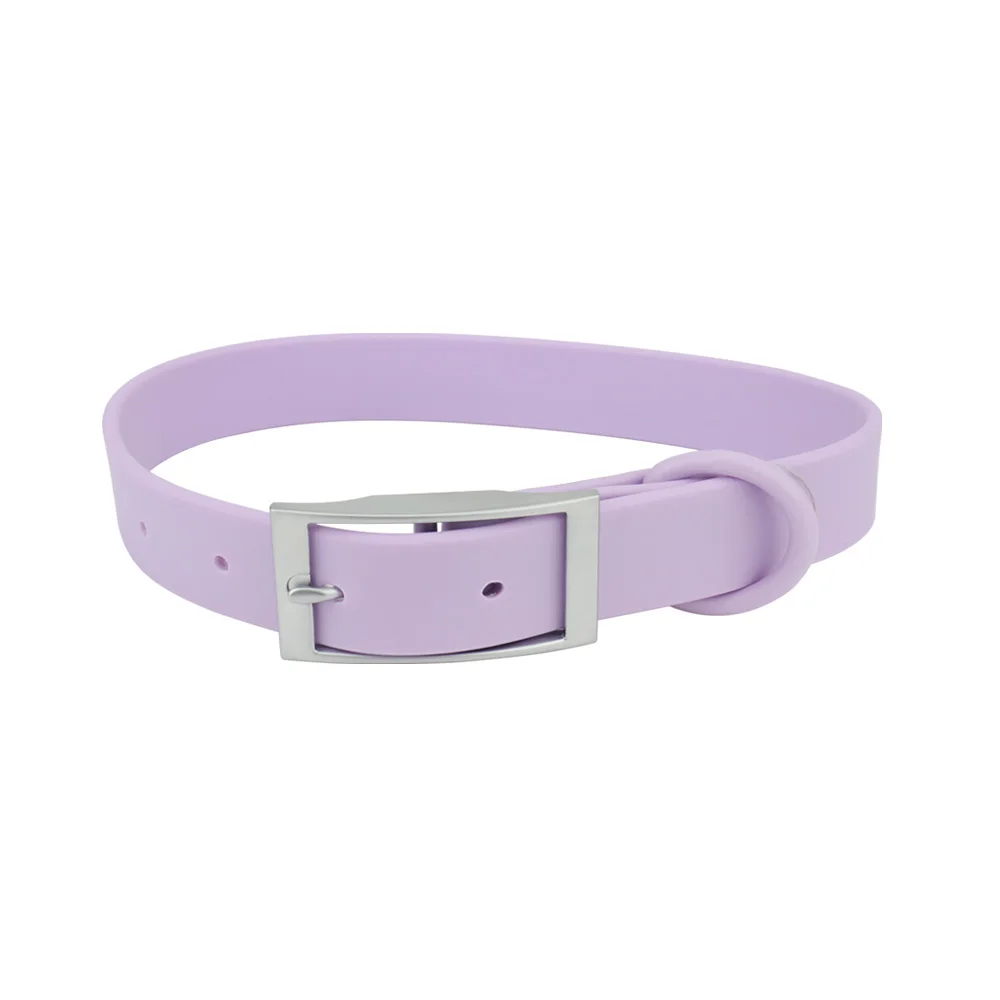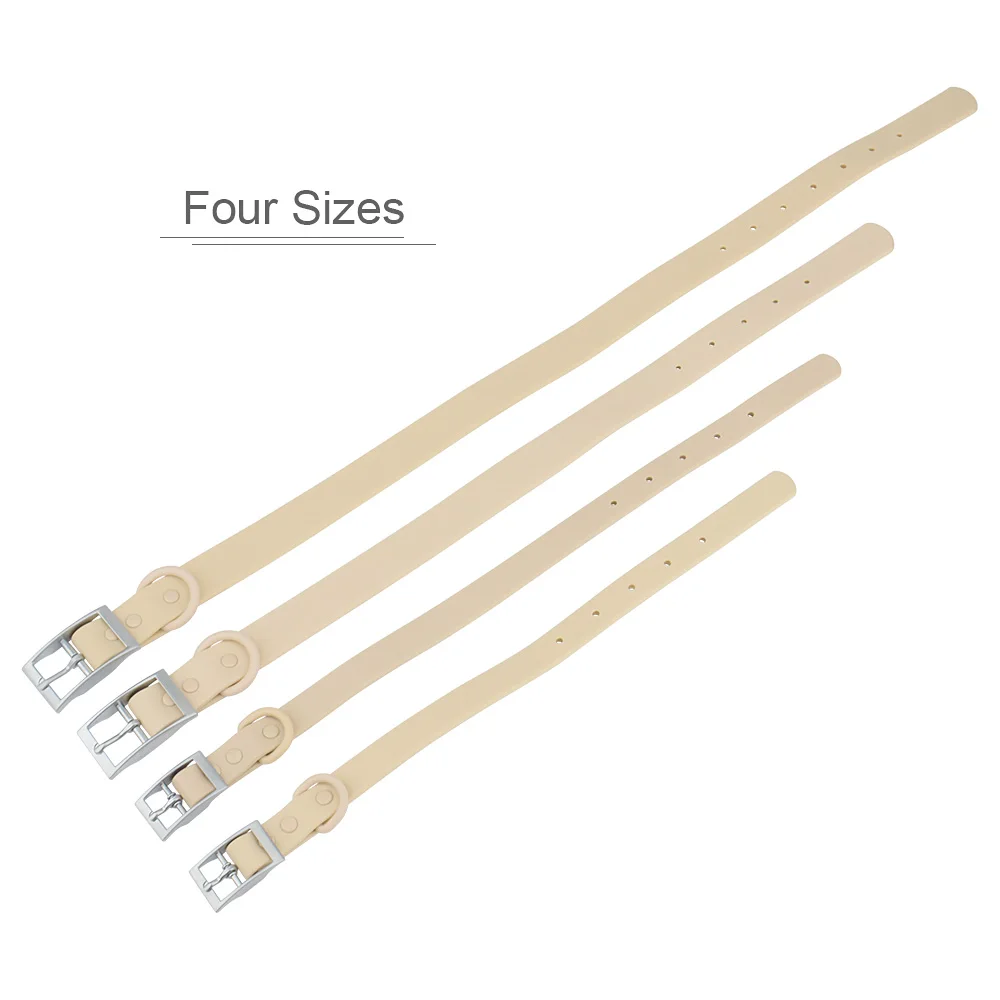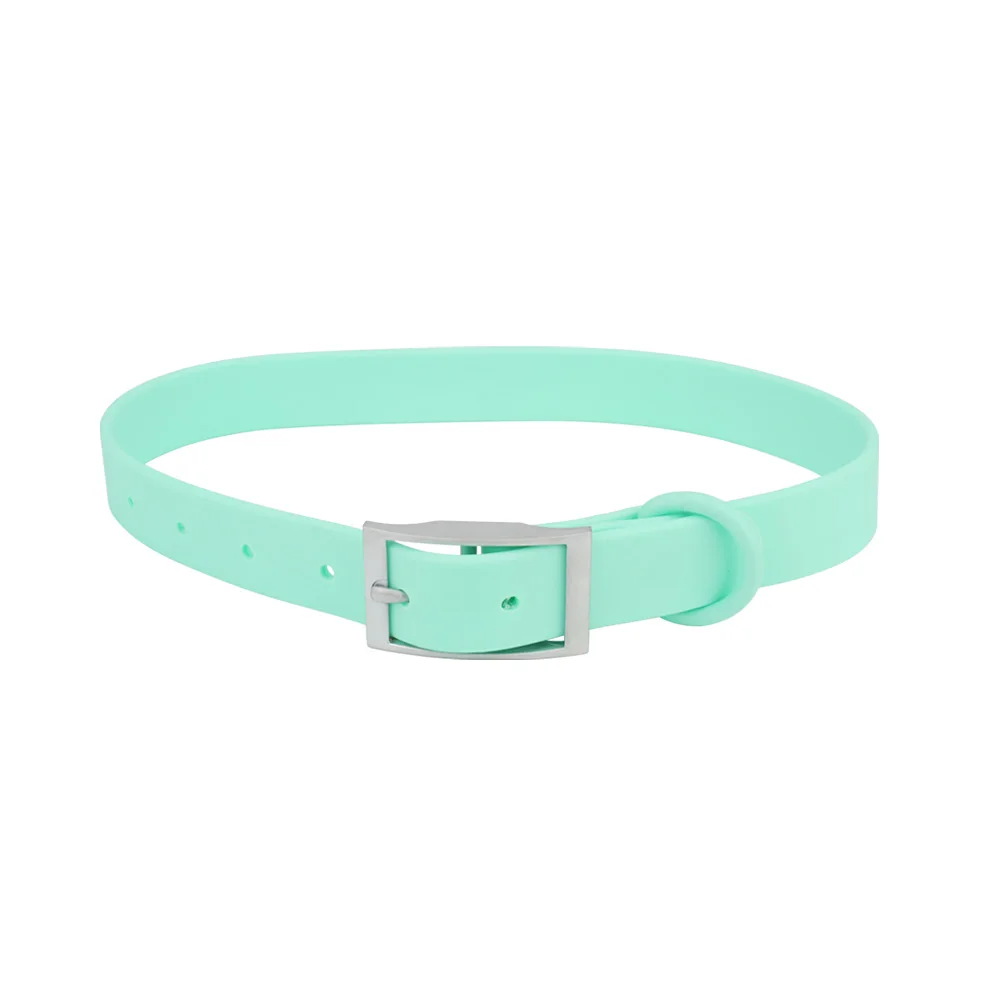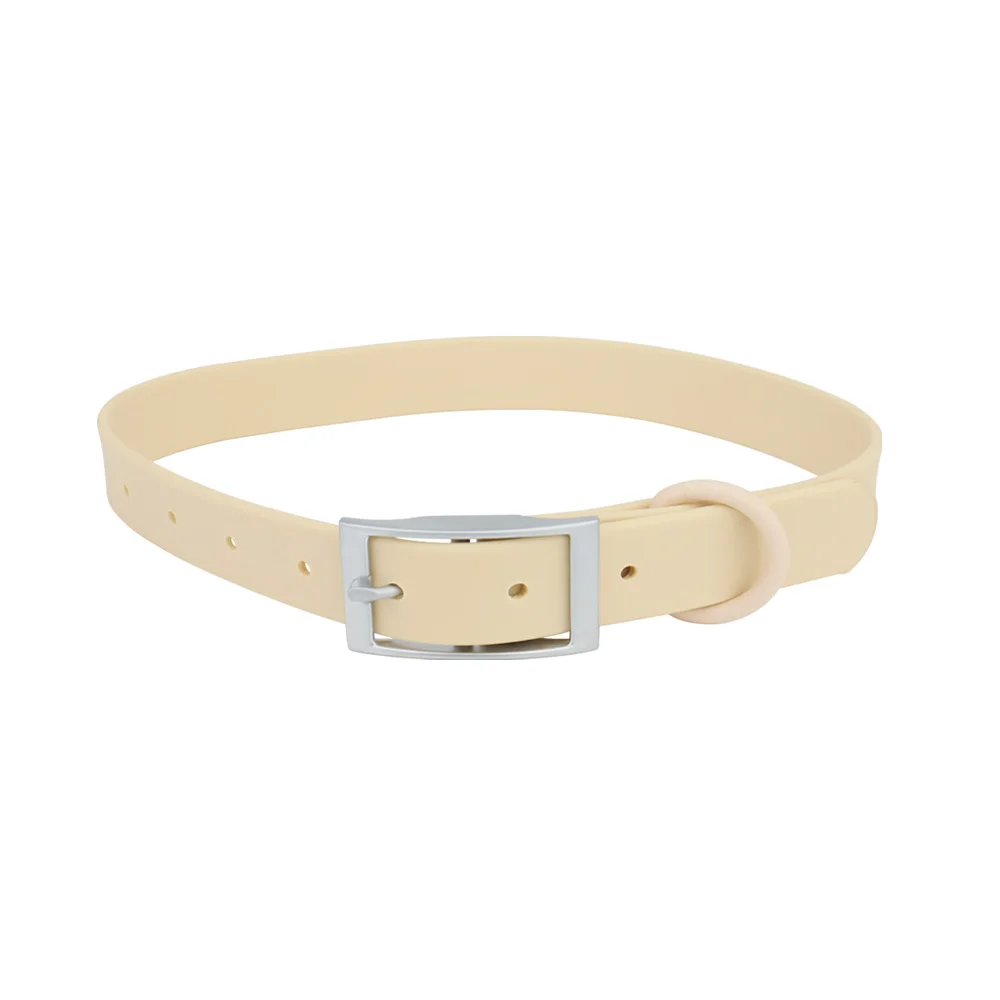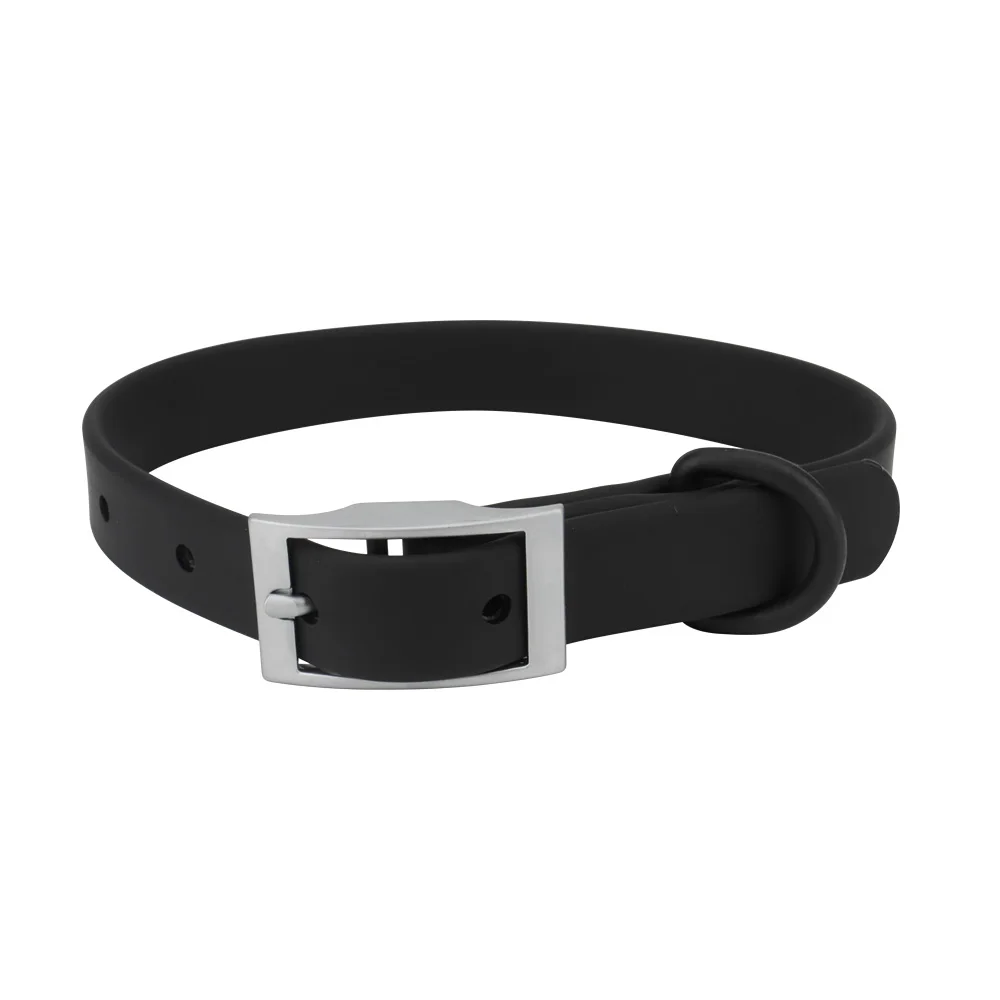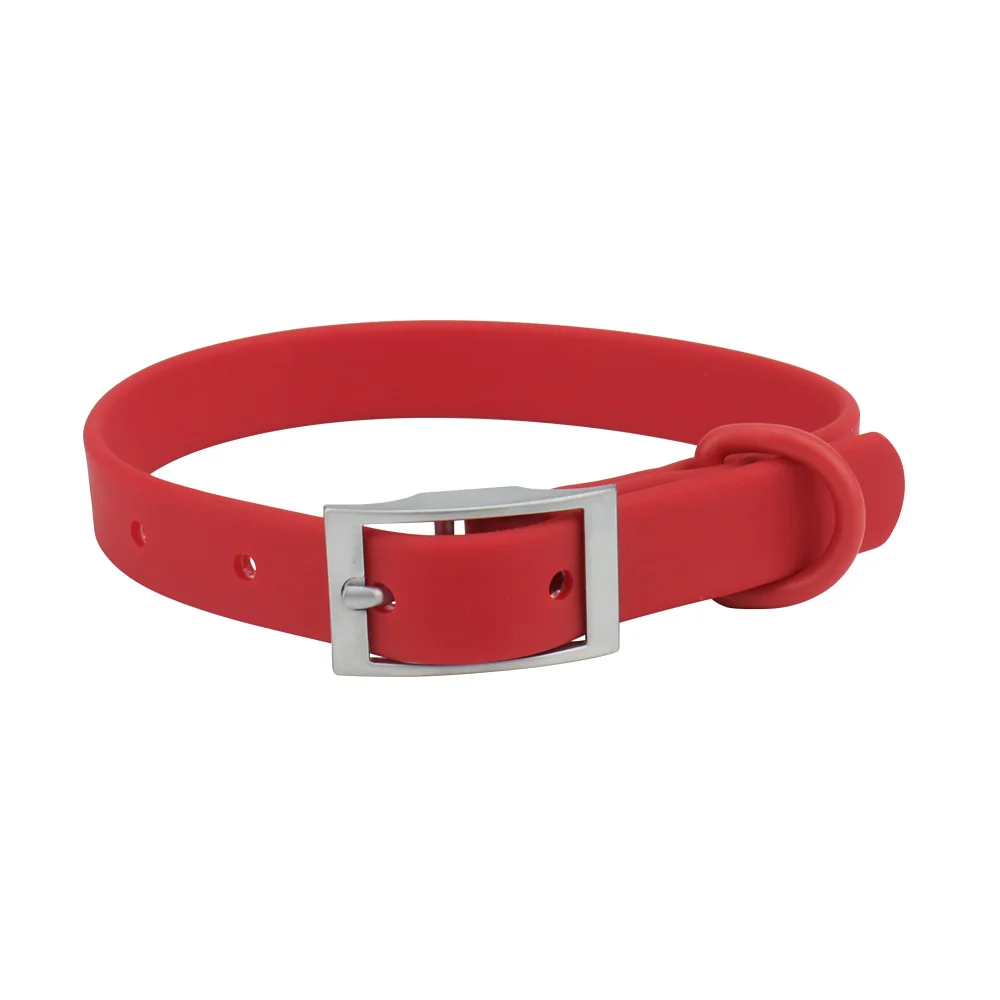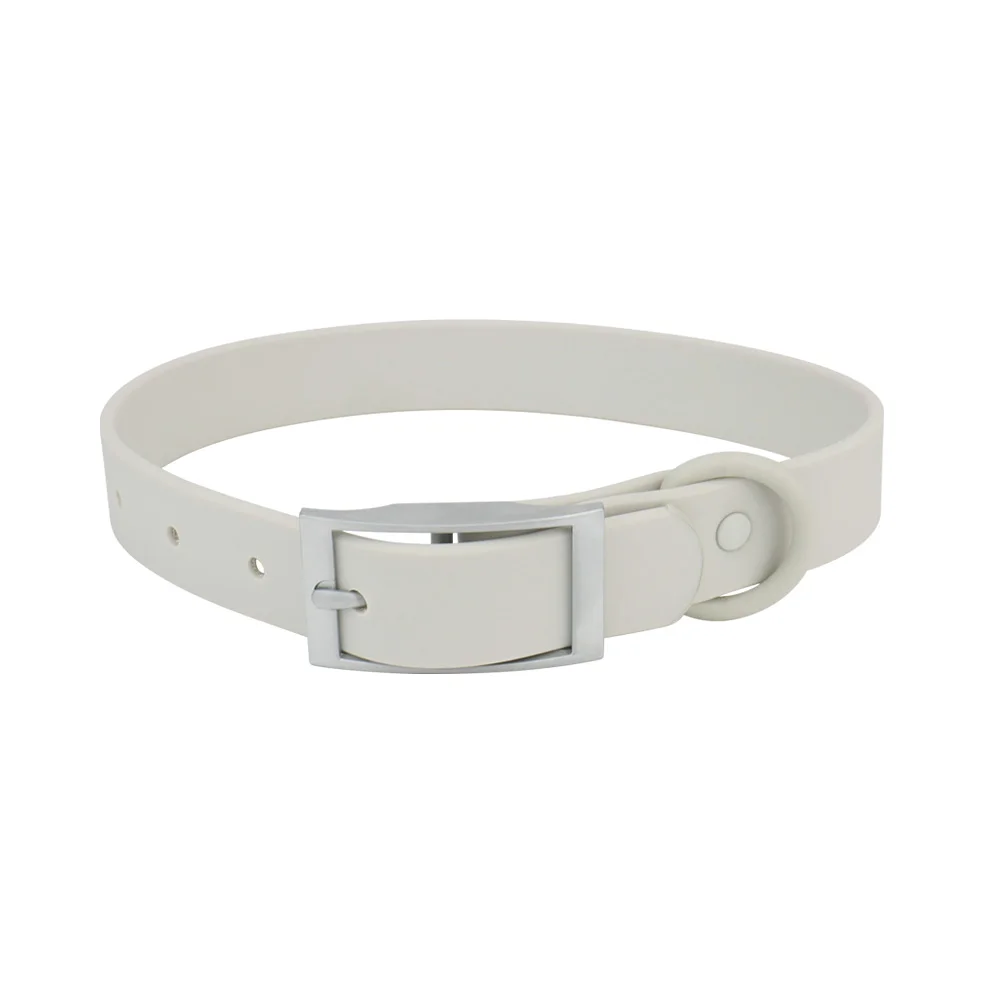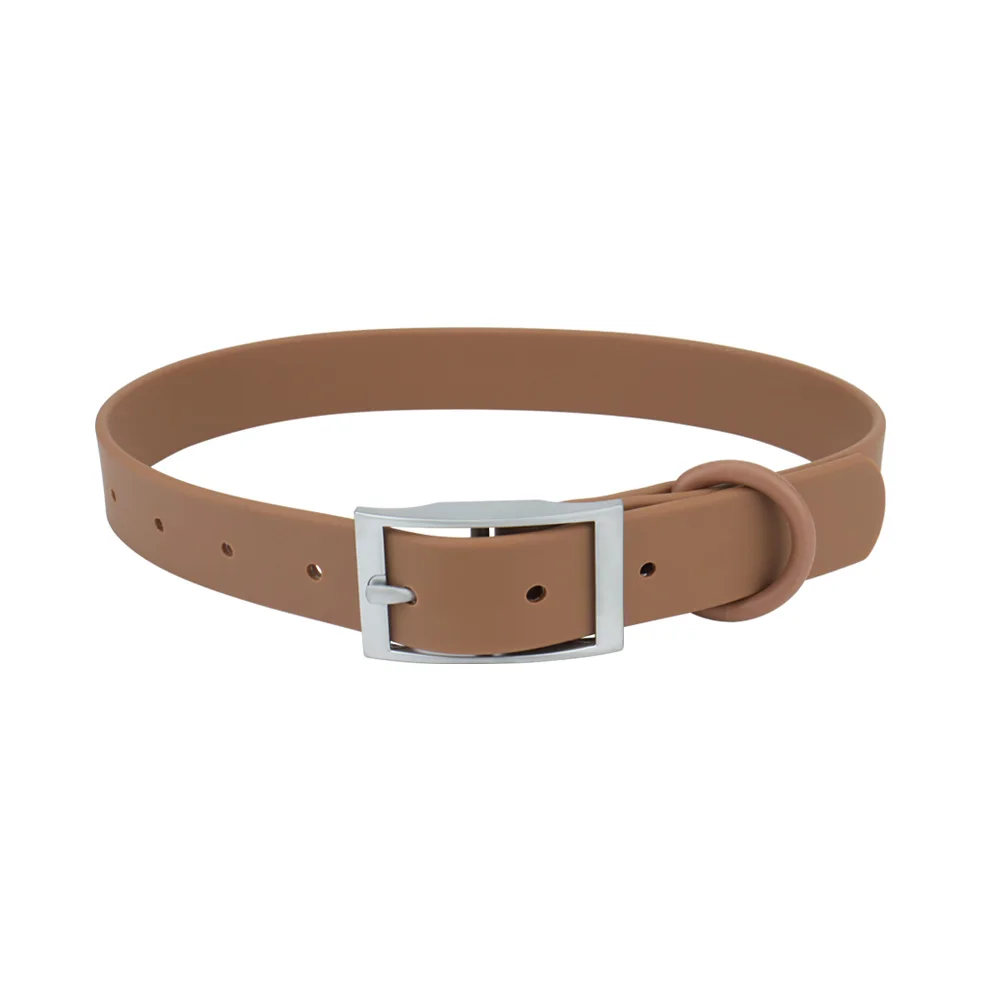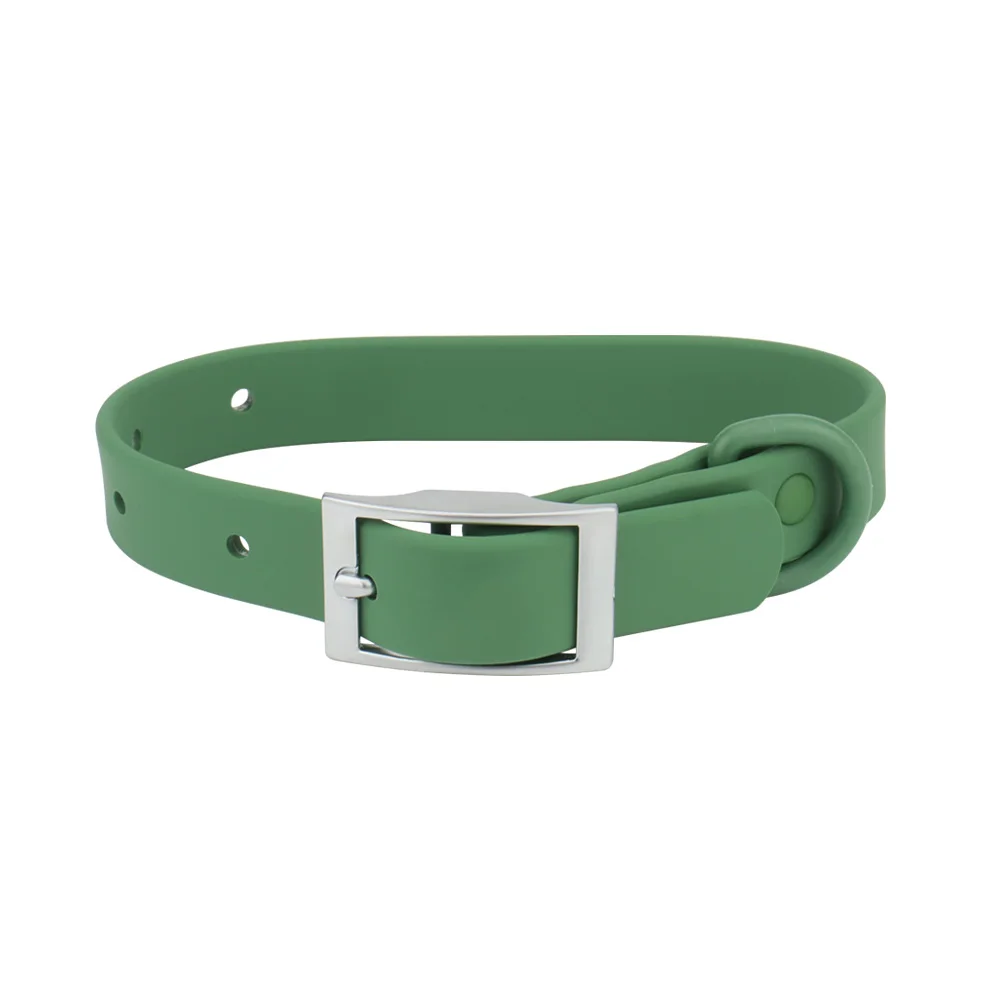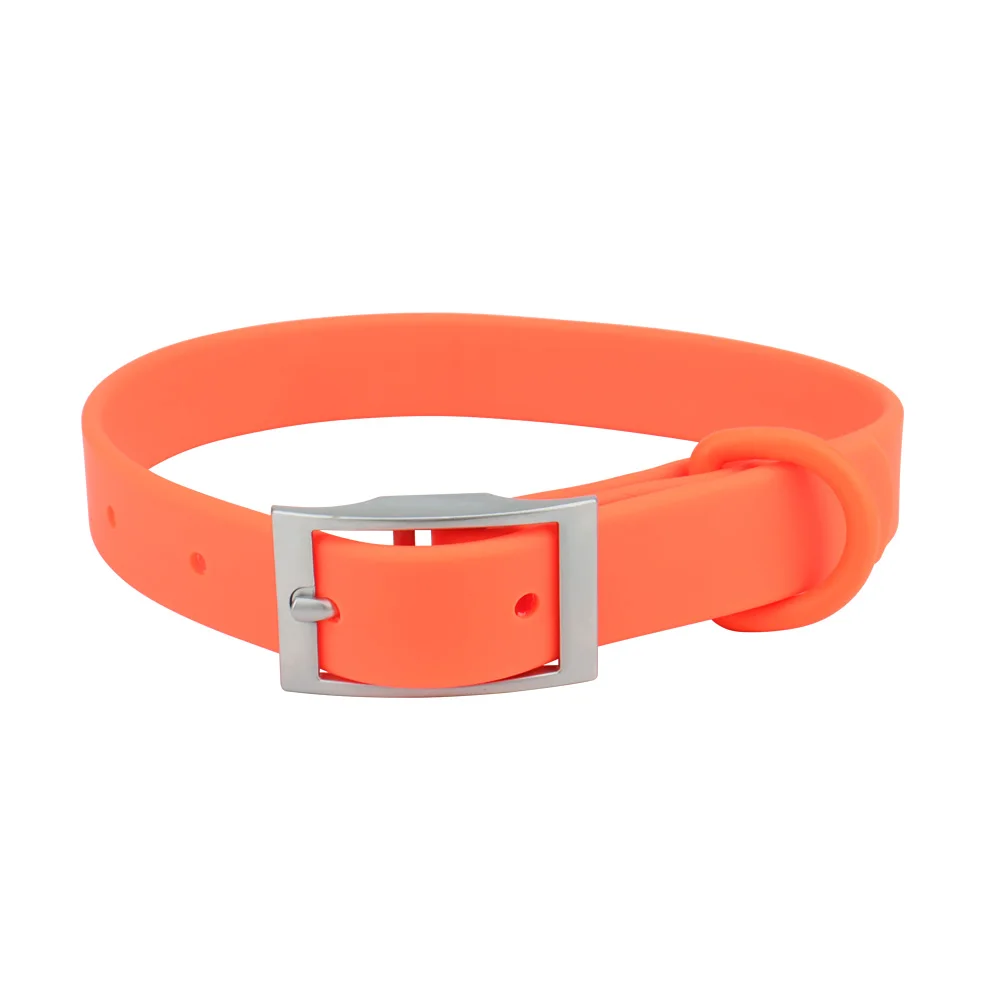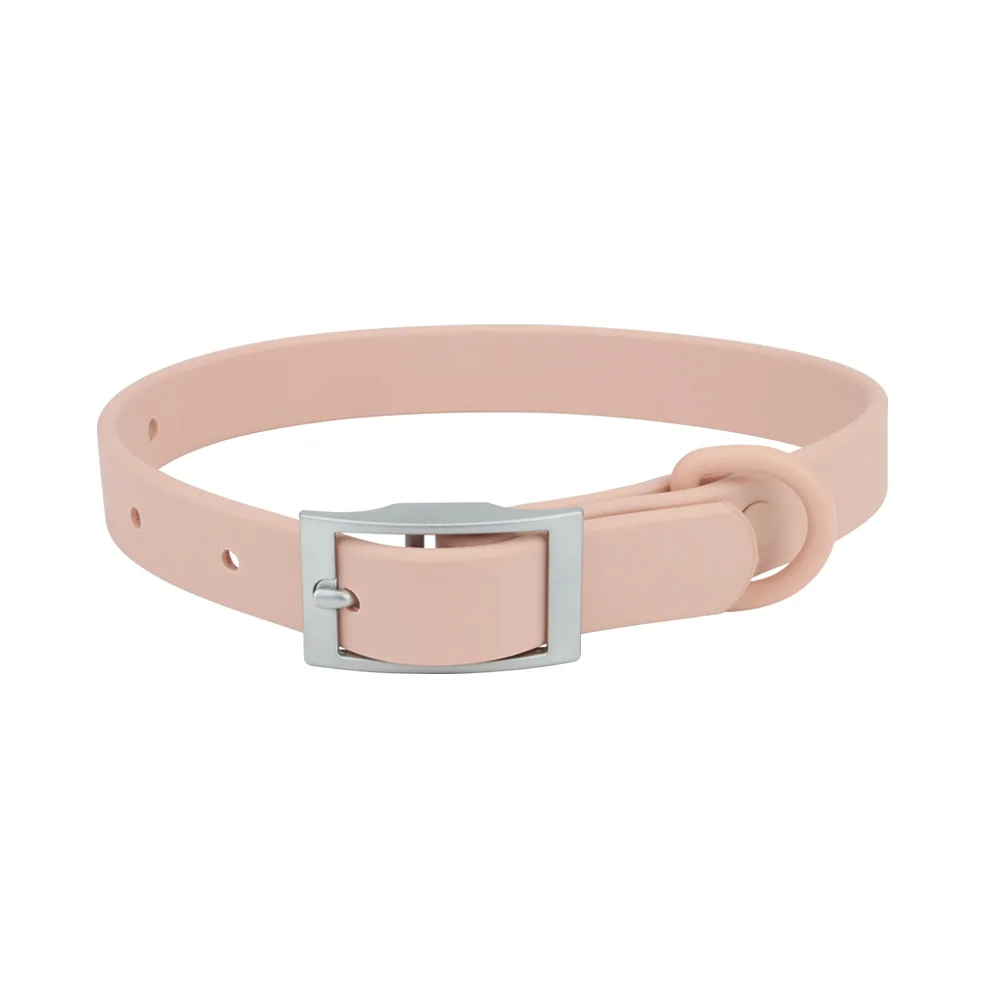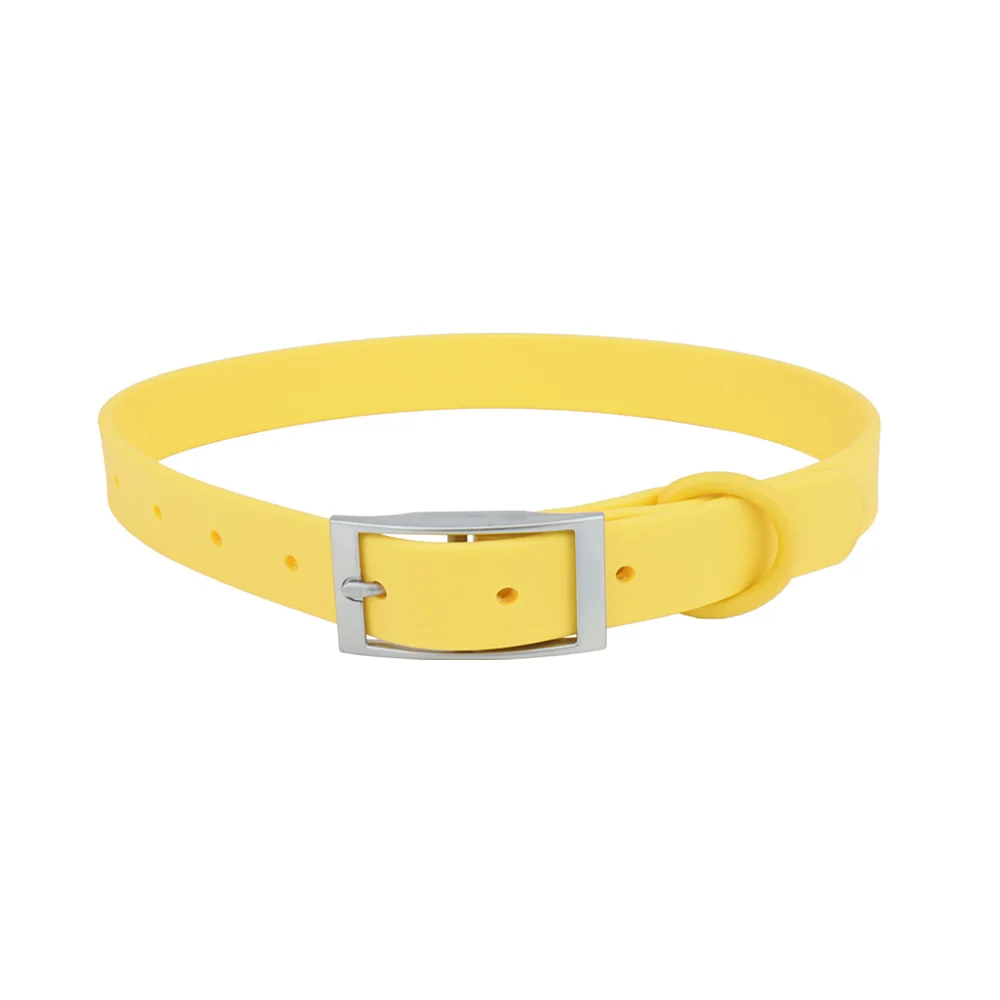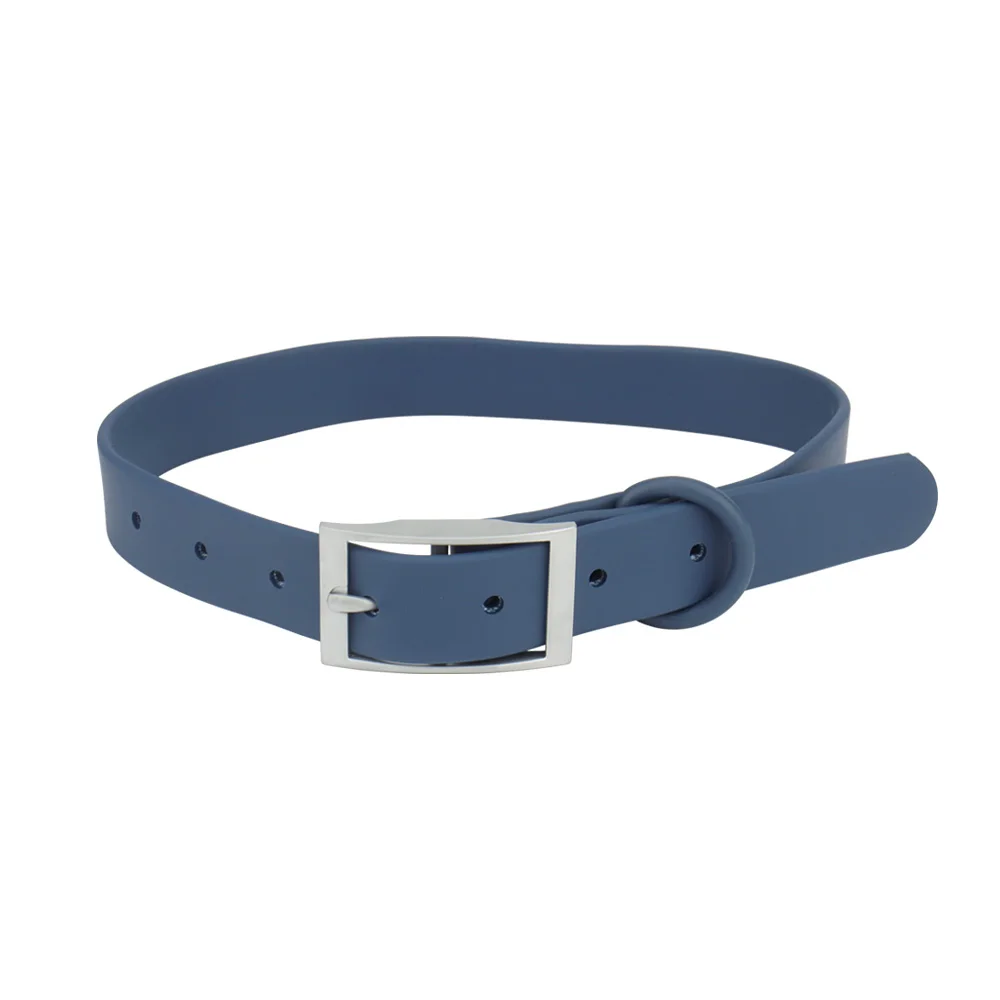
Daily walks are essential for bonding with your pet, making comfort a top priority for every outing. Since your dog relies on you to choose the right gear, selecting a comfortable dog harness in the correct size and style is vital for their well-being and safety.
With the expanding pet care market, modern accessories now allow owners to treat their companions like true family members. To find the perfect match for your pet’s specific needs, explore our guide on selecting a premium harness based on breed requirements.
Choosing the Best Dog Harness
Selecting the ideal harness for your dog depends on several factors, but most often, it comes down to breed, size, and behavior.
Breed
The breed of your dog plays a critical role in choosing the correct harness for them. Not only does their specific breed determine size most times, but it can also help to identify the typical behaviors they’ll exhibit while on leash.
Obviously, a larger breed dog is going to require a much sturdier harness, and that will determine the size that you’ll research. Most harnesses are on a standard sizing system of Extra Small to Extra Large. That being said, there are exceptions to every rule, and accurate measurements will still need to be captured.
Breed behaviors are, again, not always definitive, but the breed of your dog does provide a considerable idea of the energy levels they’ll exert and if they require specific restraint or freedom. That being said, just like with size, there can be exceptions. Your Collie may not be as energetic as others and won’t require a harness that allows for maximum control.
Last but not least, breed can determine the harness you select based on their specific health requirements. For dogs that have short snouts or flat faces, they’ll require a front-clip harness instead of a back-clip harness so that the risk of respiratory strain when pulling is minimized.
Size
The size of your dog matters significantly, as the harnesses you’re looking to purchase may not be available in the optimal fitting. This problem primarily applied to large dogs, but since then, many pet brands have become more size-inclusive.
Harnesses are ideal for larger breeds as they provide superior control while walking. They contribute to excellent leash manners, a quality that all dogs require, but especially large dogs that may appear intimidating.
Behavior
Is your dog high-energy, pulling at the leash whenever given the opportunity? Or are they calmer, walking so close to you that the leash goes slack from time to time? This behavior truly helps to determine the specific style of harness you’ll require so that you can reinforce consistent leash manners if necessary!
Some dogs are also escape artists, another behavior that should determine what style of harness you purchase. Escape artists need to be properly fitted, as it’s crucial that their harness remains snug and prevents any chance of escape.
The Four Most Popular Styles of Dog Harnesses
When it comes to body harnesses for dogs, there are four primary types, each with its own advantages and drawbacks. Consider the following when selecting your dog’s harness.
Front-Clip Harnesses
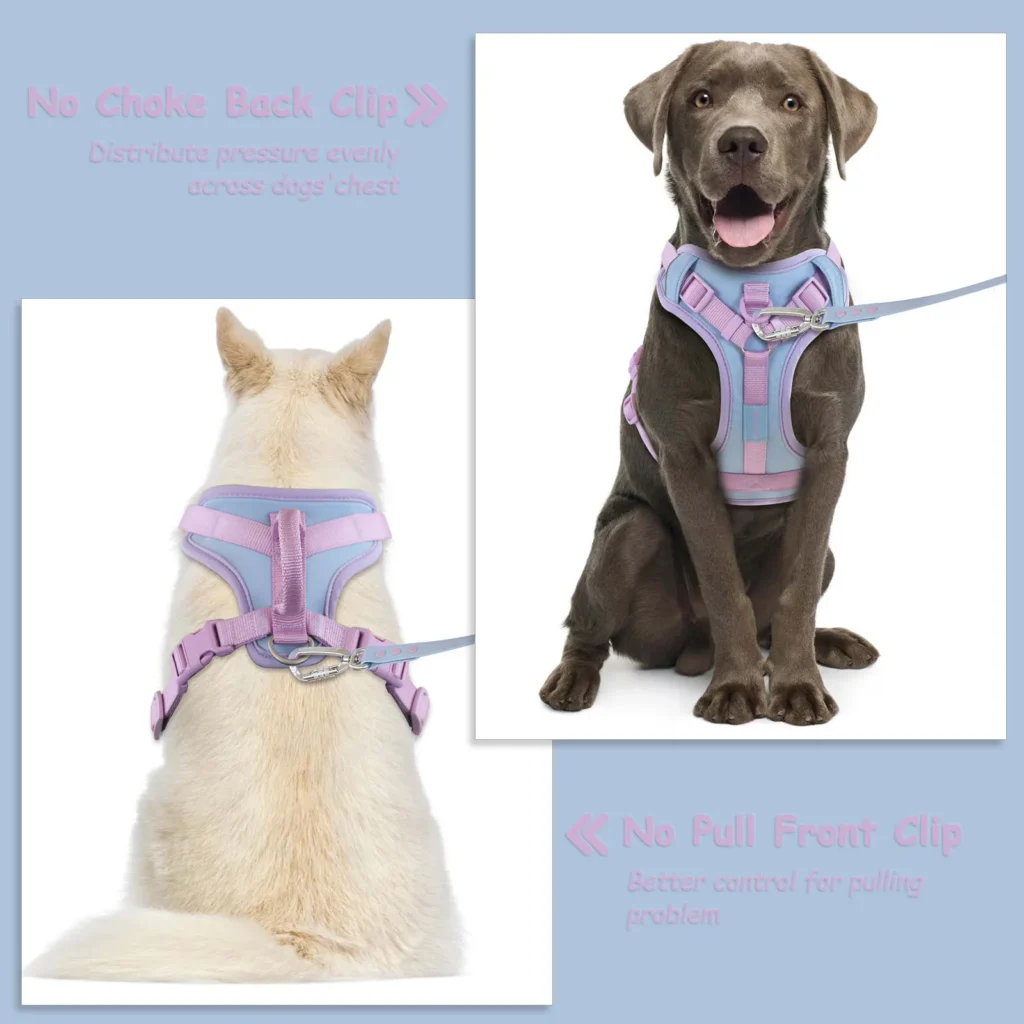
Perhaps the most popular style of harness is the front-clip harness. These are best used for breeds that struggle with leash manners and tend to pull. As they pull on this harness, it creates pressure on their chest, which they typically find uncomfortable, causing them to stop pulling. If they continue to pull, the harness’s purpose is to redirect the dog either right or left, depending on the orientation of the leash.
With the control comes disadvantages, however. These harnesses can cause the leash to tangle in the legs of dogs more easily and do not allow for changing sides of your pet with the leash. The head of your dog typically gets in the way. These harnesses are also prone to chafing if not fitted properly.
Back-Clip Harnesses
The opposite of the front-clip harness, the back-clip harness is ideal for breeds that don’t have issues with pulling. The harness is essentially the same design as the front clip, but instead of the clip being positioned on the chest of your dog, it’s on the back, further from the neck of your pet.
A fun fact about dogs when being led is that when pressure is applied, they try to pull in the opposite direction of the resistance. That’s what makes these so ineffective for dogs that tend to pull. As they pull forward, the pressure is applied backward and encourages harder pulling! Avoid these for high-energy dogs.
Dual-Clip Harnesses
Dual-clip harnesses truly are the best of both worlds. Dual-clip harnesses allow you to modify the walking style that you have with your dog as their leash manners improve over time. They’re able to be front-clipped while leash training and back-clipped once they’ve been trained adequately. This allows for a lifelong harness for your pet, so long as it’s properly fitted.
These are also fantastic for large breeds in particular. Because of the multiple points to clip to your leash, with large breeds, you can attach a double-ended leash for superior control and security if your large dog tends to test your arm strength.
Head Halters
Not the most common option, or the first thing that comes to mind when you think of a harness: head halters are for dogs that simply cannot stop pulling. When the dog pulls hard, the sensitive spots on their face and head are engaged. This discourages pulling most times. If your dog doesn’t stop pulling, they are prone to a neck injury.
Additionally, the head halter is difficult for some dogs to get accustomed to, and it can take weeks. While it may resemble a muzzle, it is not. It still allows the dog full use of their mouth and only truly affects them when they pull.
The Martingale Loop
While the Martingale loop is more commonly found on collars, some harnesses feature a Martingale loop as well. This provides your dog some looseness while they’re walking on leash, but the moment they pull, an extra loop of fabric engages, tightening on the dog. This creates pressure and indicates to them that they need to stop pulling.
Ensuring the Optimal Fit for Your New Harness
Always ensure you measure before purchasing a harness, as fit is everything. Sizing guides for most brands are accessible online and are relatively easy to locate. Generally, these harnesses can be adjusted in the same manner using some simple techniques.
- If you cannot bring your dog to a physical location to test the harness, measure all of the indicated areas so that you can be certain the harness will provide an optimal fit.
- Should you be able to try the harness on your dog before purchasing, utilize the two-finger technique. Two fingers stacked should fit between the harness material and your dog’s body while remaining snug.
- Always adhere to the recommended weight capacity that the harness supports. If your dog exceeds the weight limit, they may compromise the harness’s integrity while pulling.
- Ensure both the harness and your dog are completely dry. Wet materials and fur can create the false impression that the harness is sufficiently loose, even when it is not.
Whether selecting a harness or a collar, it’s essential to adhere to the guidelines above to ensure your pet’s safety and comfort.
Explore Alternative Options
With the vast array of options on the market, there are numerous harness styles to explore. The top priority remains your dog’s comfort and well-being. Avoid purchasing a harness that could potentially compromise your pet’s safety. If you’re uncertain which style to choose, a dual-clip or multi-clip harness is the most versatile and secure choice, as it provides multiple attachment options for your leash.
A New Leash on Life
In the world of harnesses, it is essential to prioritize your dog’s specific breed requirements. Certain breeds have structural or health considerations that may limit your harness options, but maintaining their long-term health and ensuring they remain injury-free is the ultimate priority.
Harnesses are exceptional tools that provide your pet with the ideal balance of comfort and freedom, significantly reducing the risk of injury when selected and fitted correctly. Experience the difference a high-quality harness can make today—you may find it far superior to your current walking gear.
Shop Our Walk Essentials